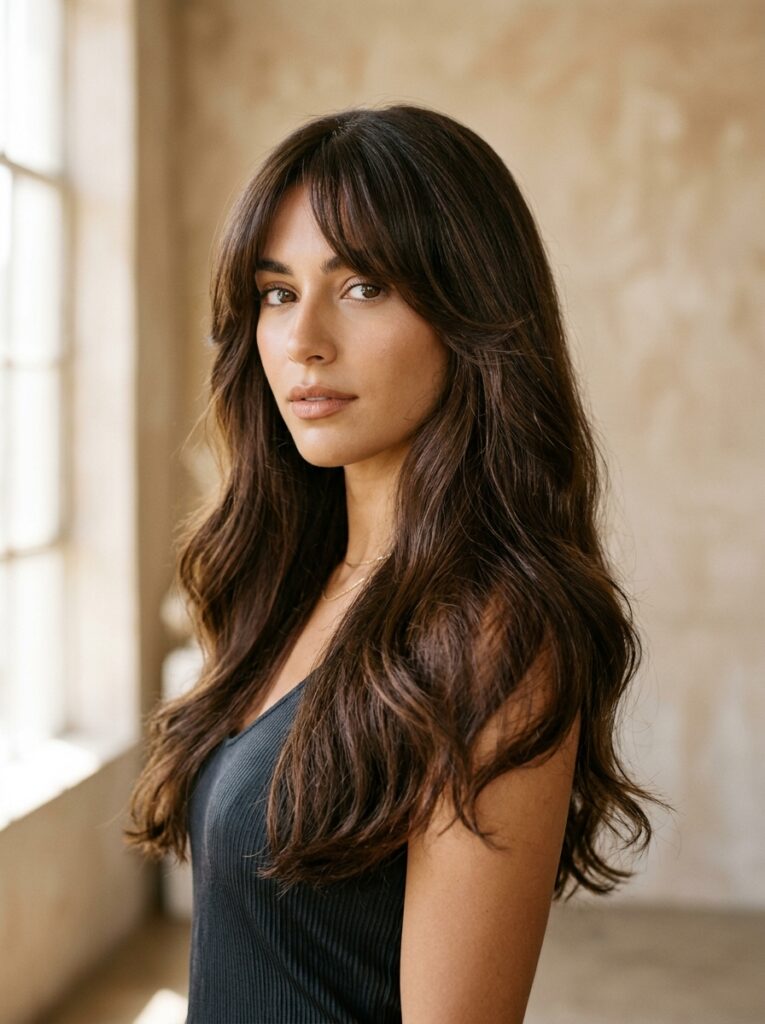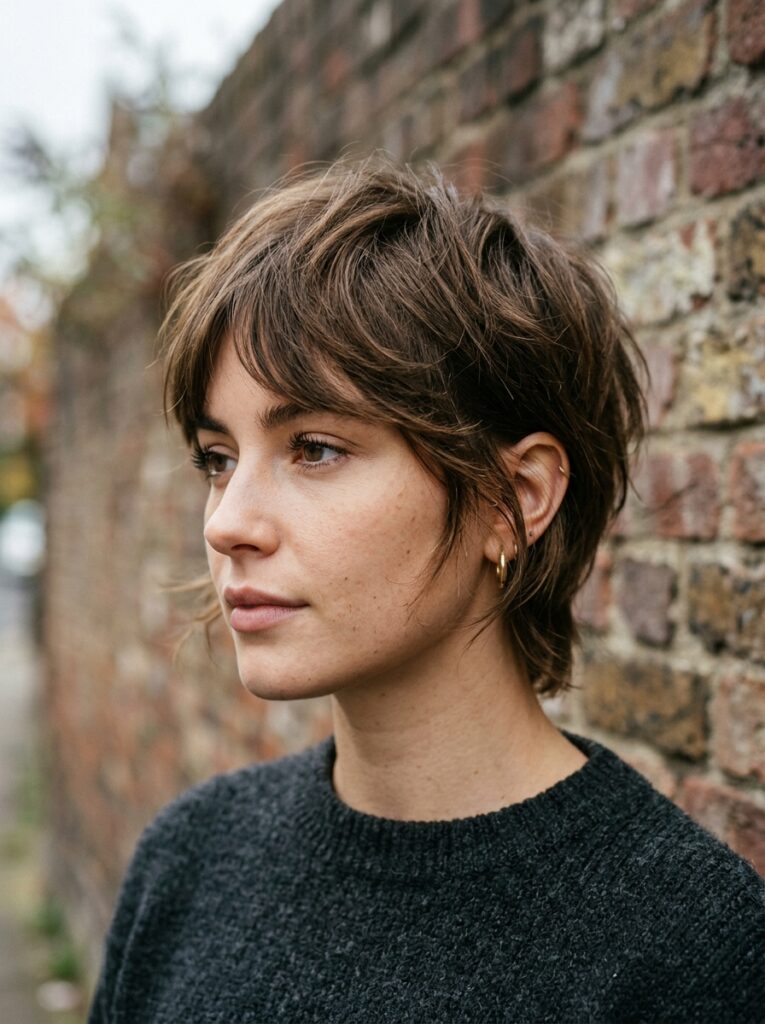
Asking for “just a bob” is one of the quickest ways to leave the salon with something you didn’t picture.
These days the bob is a whole family of cuts, from a razor-sharp architectural line to a messy wolf-bob, and the difference comes down to weight, layering, and where the ends land.
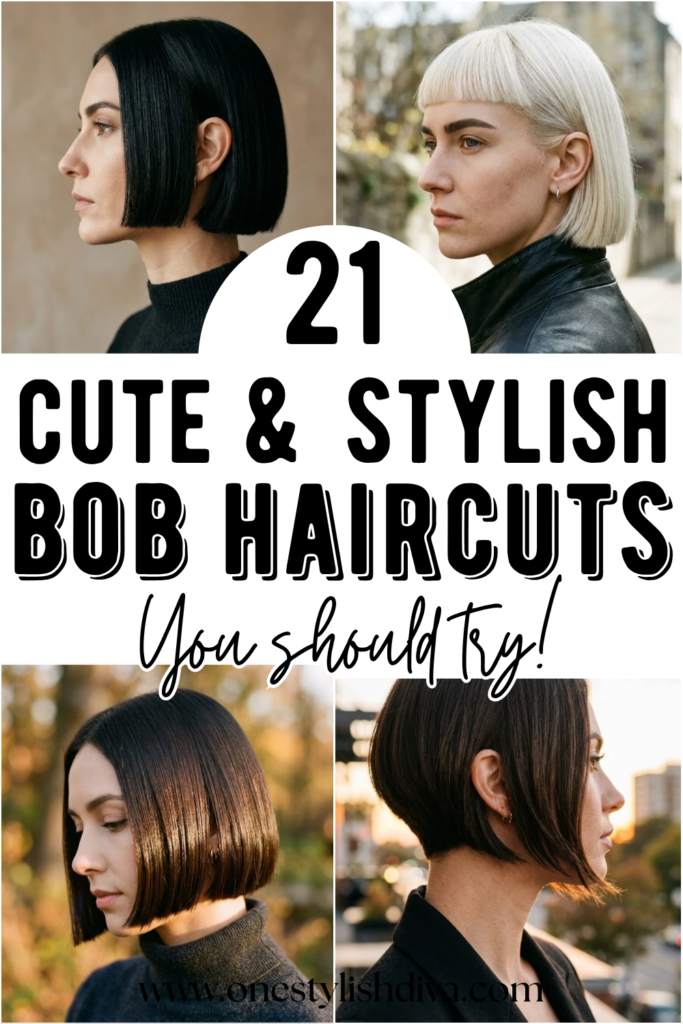
Here are 21 bob haircut ideas worth screenshotting before your next appointment!
This website may contain affiliate links. I may earn a small commission if you purchase through the links, at no extra cost to you.
How to Choose the Right Bob for Your Hair
Two bobs at the exact same length can look nothing alike. What really changes the result is how much weight your stylist keeps or removes, and how that suits your natural texture.
Think about these before you sit in the chair:
- Hair density: blunt perimeters make fine hair look thicker, while layering and texturizing stop thick hair from puffing outward
- Face shape: angled and concave cuts slim rounder faces, while flared and flicked ends add width to longer ones
- Texture: wavy and curly hair should be cut with its natural movement in mind, often dry
- Styling time: some bobs need a round brush daily, while others are designed to air-dry
Length matters more than you’d think, too. Chin-length bobs show off the jaw and neck, while a longer lob past the collarbone still lets you tie your hair back on busy days.
Most importantly, bring photos. Many bob names mean different things to different stylists, so a picture of the exact shape, ideally on hair like yours, saves a lot of guesswork and a lot of regret.
Blunt and Architectural Cuts
1. The Boxed Architectural Cut
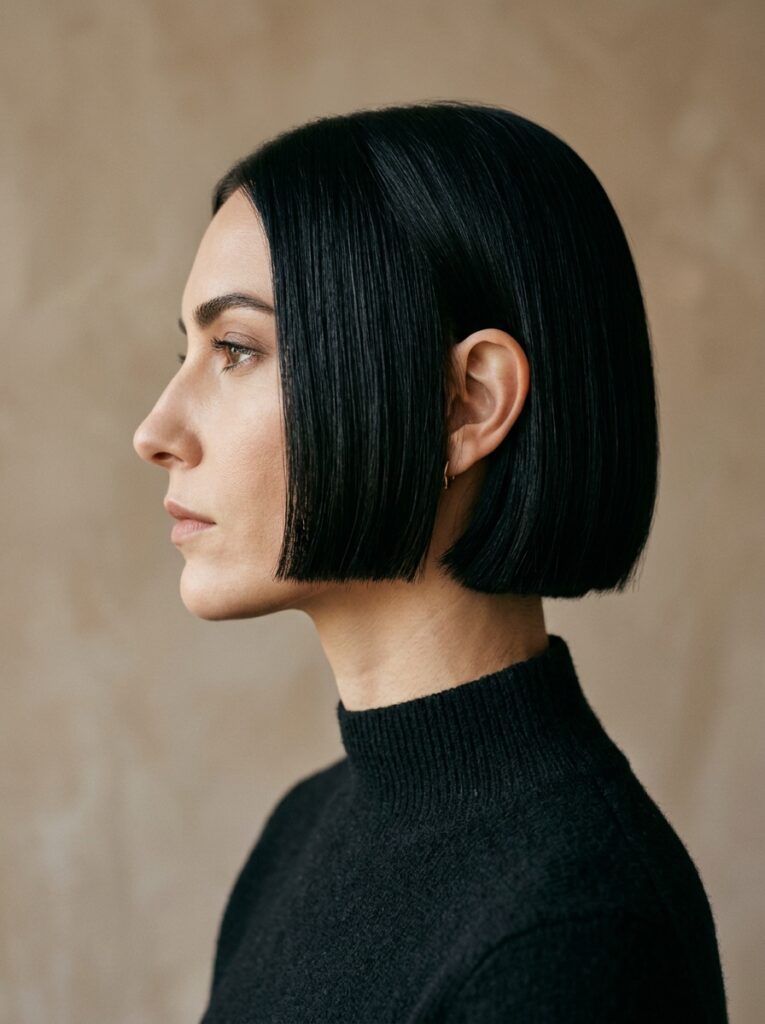
One hard line all the way around, with zero layering, is what makes the boxed architectural cut so striking. It’s cut so precisely that it holds its shape with no styling at all.
Fine, straight hair benefits most, since the blunt edge looks far thicker!
2. The Micro-Fringe Blunt Cut
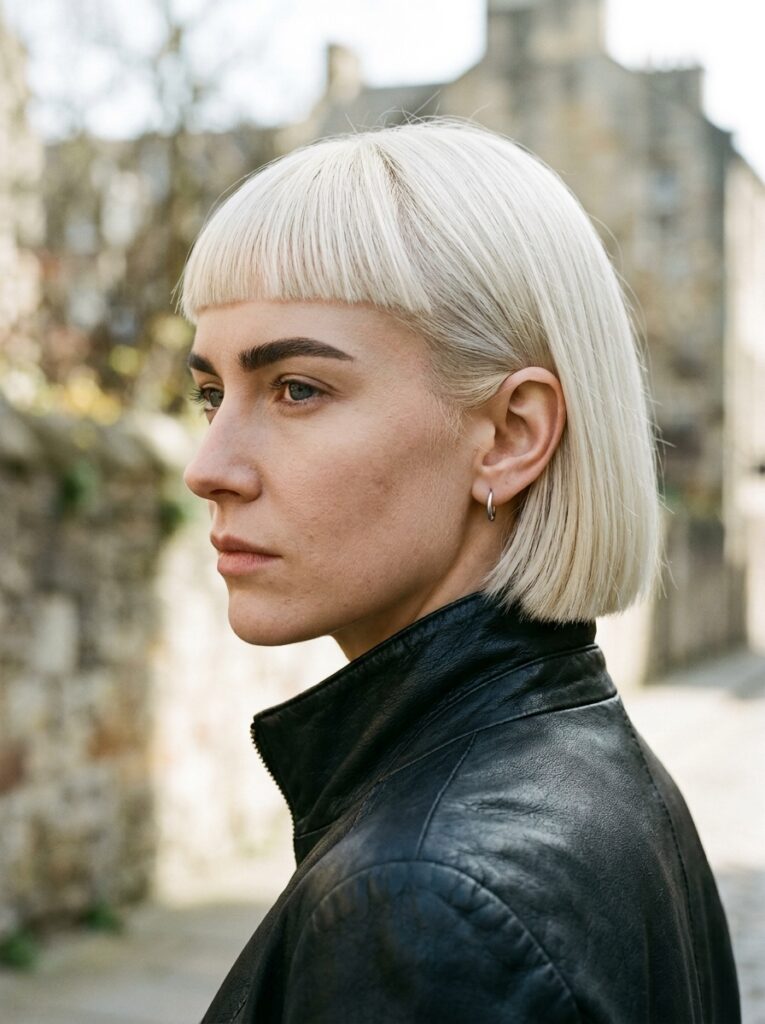
Want your bob to feel instantly fashion-forward? Add a very short micro fringe above the brows to a sharp blunt bob. It flatters smaller features and defined bone structure, though that tiny fringe needs a trim every four weeks to stay crisp.
3. The Glass-Skin Liquid Bob

The cut is only half the story with this mirror-shiny liquid bob. To get that unbroken, glassy finish:
- A precise blunt cut at chin length
- A salon gloss treatment every few weeks
- A smoothing serum after every wash
- A flat brush for a sleek blow-dry
Condition is everything here, so healthy ends are a must!
4. The Sliced Concave Bob
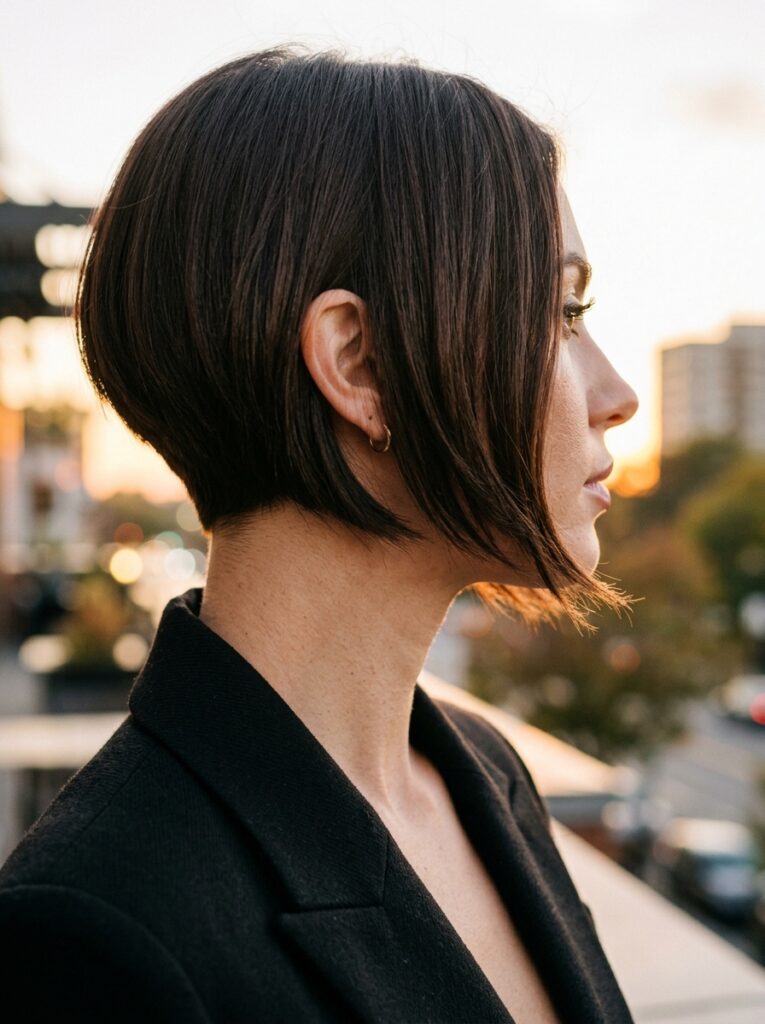
Rounder faces, take note. A concave bob sits shorter at the back and angles longer toward the face, drawing the eye to your jaw and cheekbones.
Sliced ends keep the front from feeling heavy, so the shape moves beautifully as you walk!
5. The Undercut Geometric Bob
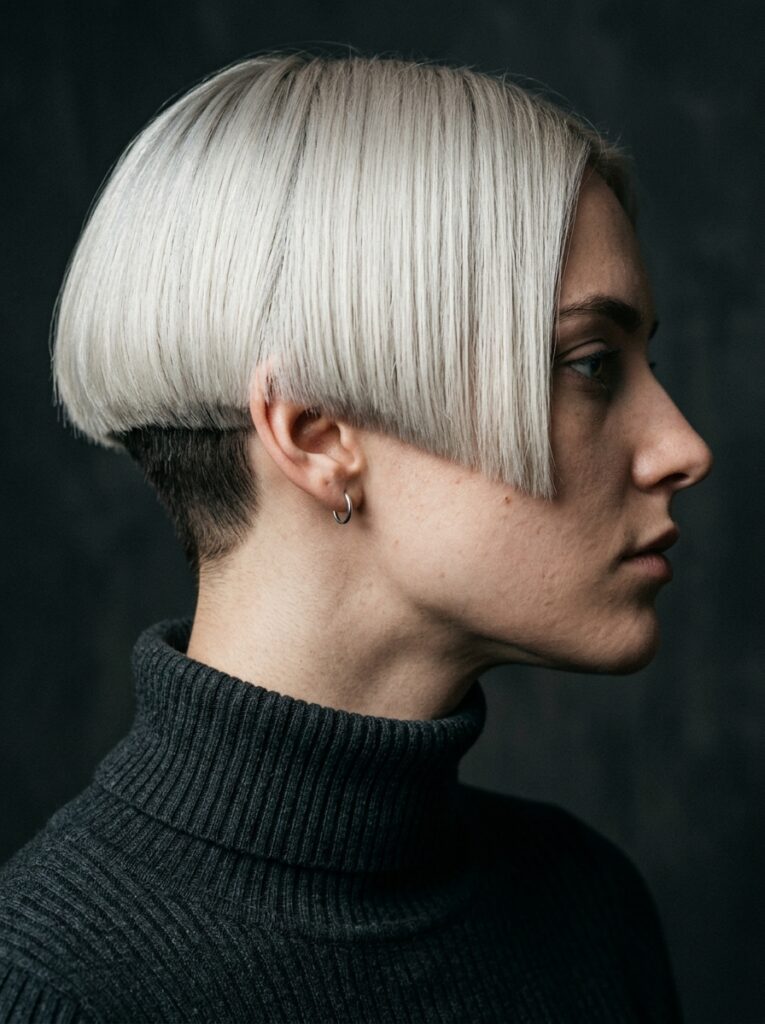
Thick hair finally meets its match. A blunt geometric bob with a hidden undercut removes serious bulk without touching the outer shape. What to know:
- The undercut usually sits at the nape or behind one ear
- The top layer stays sharp and blunt
- Clipper touch-ups every three to four weeks
- Tuck it behind your ear to reveal the shaved section
It’s edgy, cool, and surprisingly practical!
Textured and Layered Bobs
6. The Shaggy Wolf-Bob

Choppy layers through the crown falling into a messy, jaw-length perimeter give the wolf-bob all the attitude of a wolf cut with half the length.
It relies on natural wave, so straight hair needs a little texture spray every day to keep it lived-in!
Also read: 21 Fall Haircut Trends for 2026 Worth Showing Your Stylist
7. The Texturized Choppy Lob
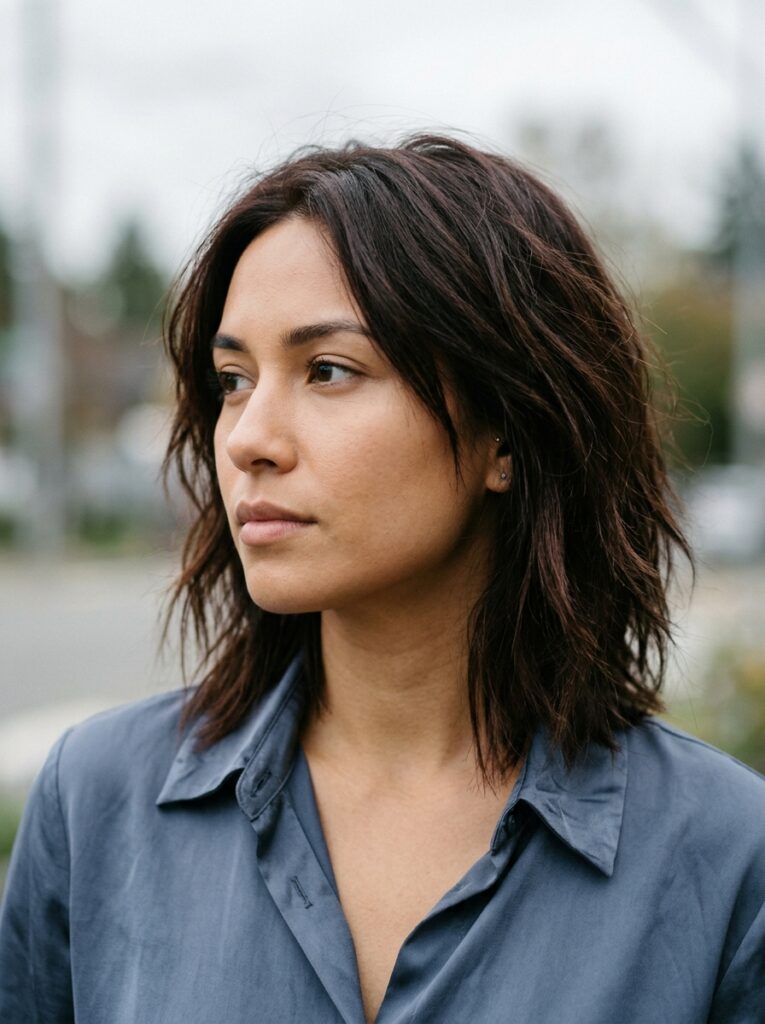
Movement over polish.
This collarbone-length choppy lob has visible internal layers and roughly finished ends that look effortlessly undone.
Thick and coarse hair suits it best, since the chopping removes weight, whereas fine hair can end up looking thin at the ends.
8. The 90s Bixie-Bob Hybrid
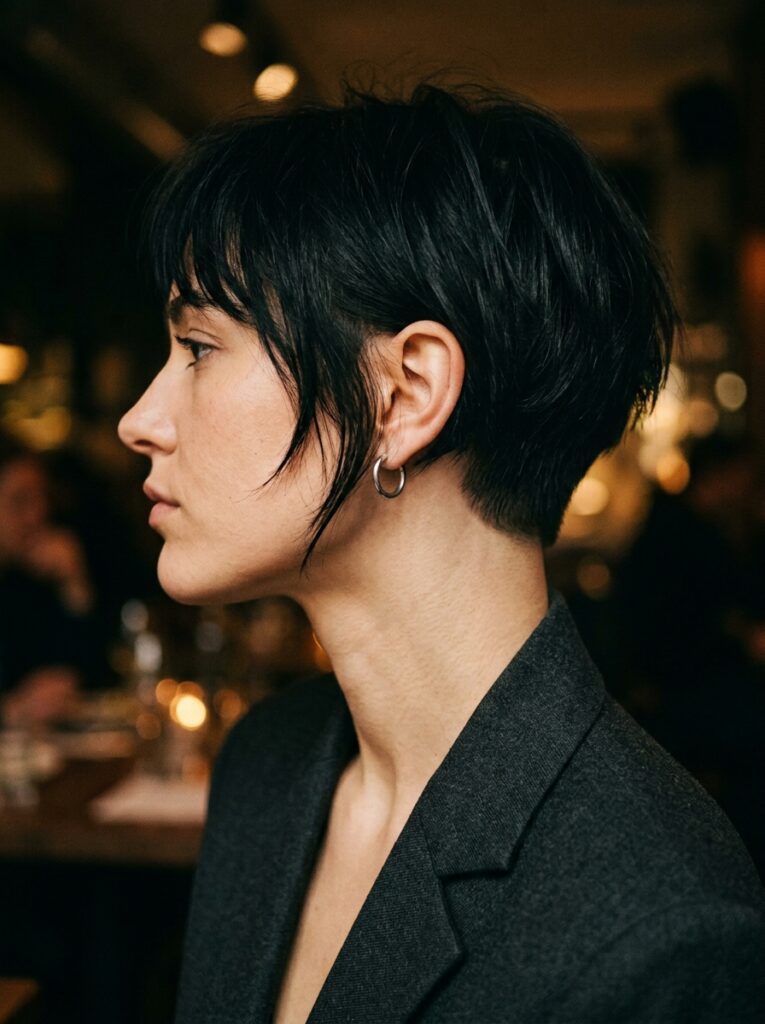
Can’t decide between a pixie and a bob? The bixie sits right in the middle, with short stacked layers at the back opening into longer pieces around the face. Since the layers are tuned to your hair, it works on almost every texture!
9. The Jellyfish Bob
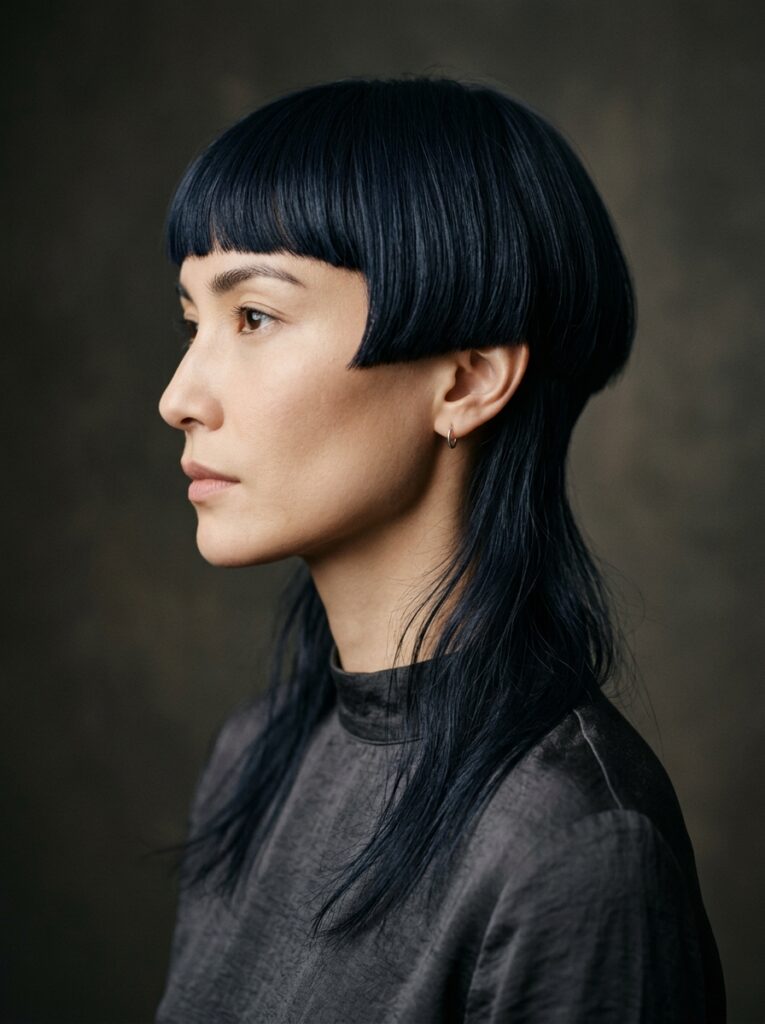
The boldest cut here is the jellyfish bob, with a blunt top layer sitting over noticeably longer lengths underneath. Before you book:
- Find a stylist who has done one before
- Bring clear reference photos
- Expect two distinct, deliberate shapes
- Plan regular trims to keep the disconnection crisp
Done well, it’s pure art. Done badly, it looks like a grow-out accident!
10. The Mushroom Bowl-Infused Bob
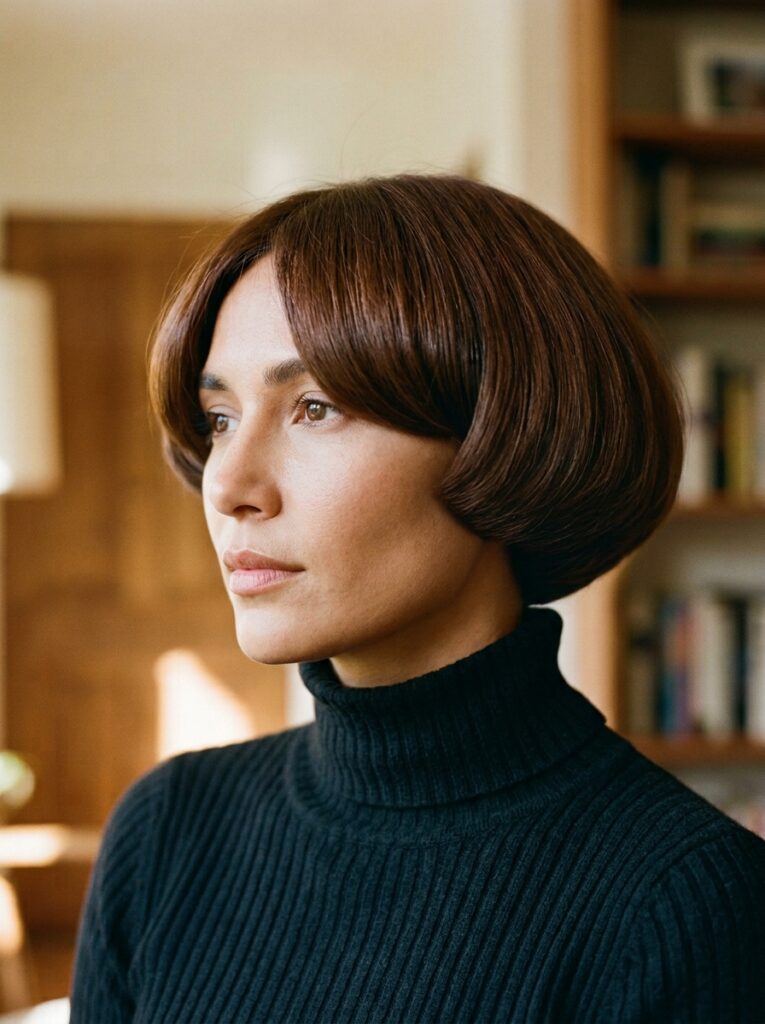
Rounded, dome-like, and curving under toward the neck, the mushroom bob is a softer, modern take on the classic bowl cut.
Strong bone structure carries it best, and it looks most current slightly imperfect rather than styled into a helmet.
Soft and Effortless Bobs
11. The Italian Bob

Picture waking up in a coastal Italian town with perfectly undone hair. The Italian bob hits between chin and jaw, with soft layers and a natural bend at the ends.
Wavy and lightly curly hair gets the most out of it!
12. The French Girl Micro-Bob

Shorter, messier, and very chic.
The French girl micro-bob ends right at the top of the chin and usually comes with a soft, piecey fringe.
It shows off your neck beautifully, but never style it sleek, since polish ruins the effortless vibe.
Also read: 21 Curtain Bangs Ideas for Every Face Shape and Hair Type
13. The Soft-Curve Scandi Bob
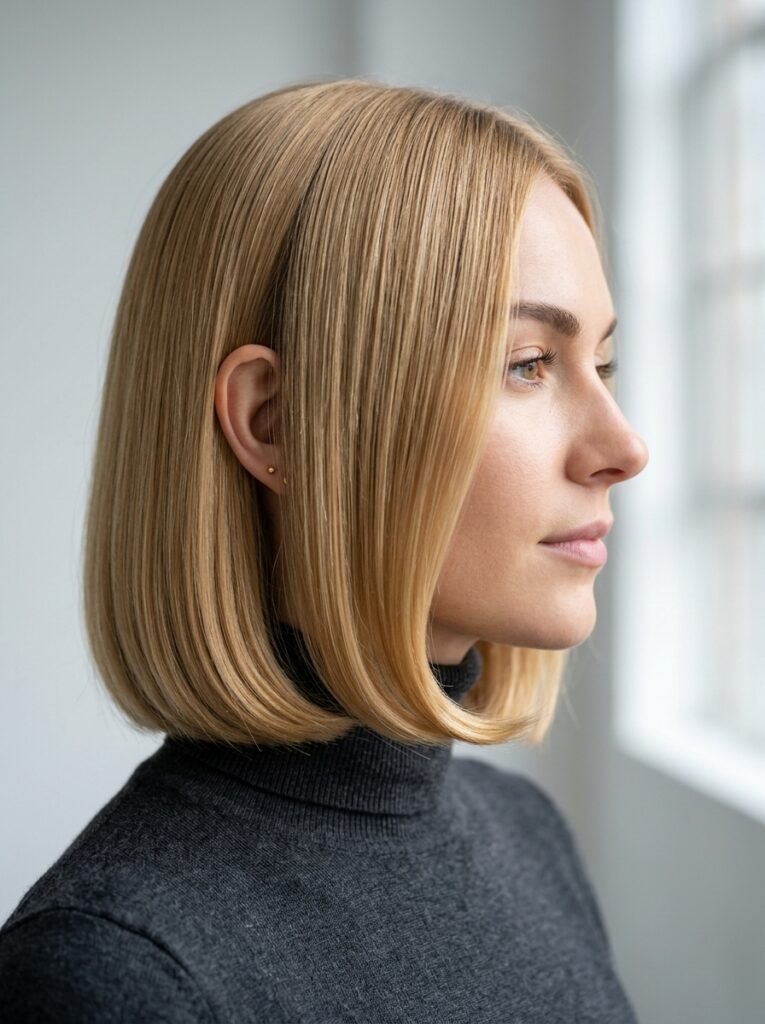
Somewhere between blunt and soft, the Scandi bob has clean, rounded edges and minimal layering, which makes it look expensive without ever feeling severe.
It grows out gracefully, so it’s perfect if you stretch even four months between salon visits.
Also read: 21 Fall Hair Colors of 2026 That Look Expensive
14. The Air-Bob

Hate heat styling? The air-bob is cut specifically for how your hair dries on its own, with layers placed to enhance natural texture rather than fight it. Ask your stylist to cut it dry, and you’ll get a shape that looks finished straight out of the shower.
15. The Hydro Bob
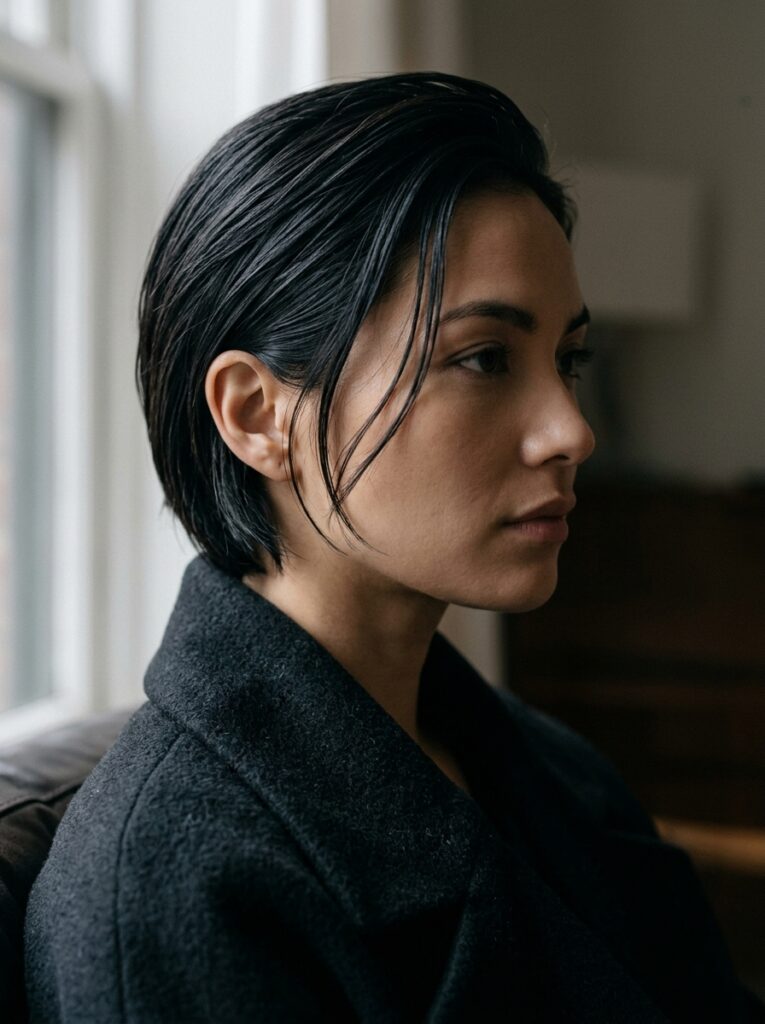
Humid weather becomes part of the style with the hydro bob, a glossy, wet-look finish combed back behind the ears.
A little styling cream keeps it slick all day, and it works on every texture. It’s the ultimate bad-hair-day cut!
Statement and Retro Bobs
16. The Baroque Bob
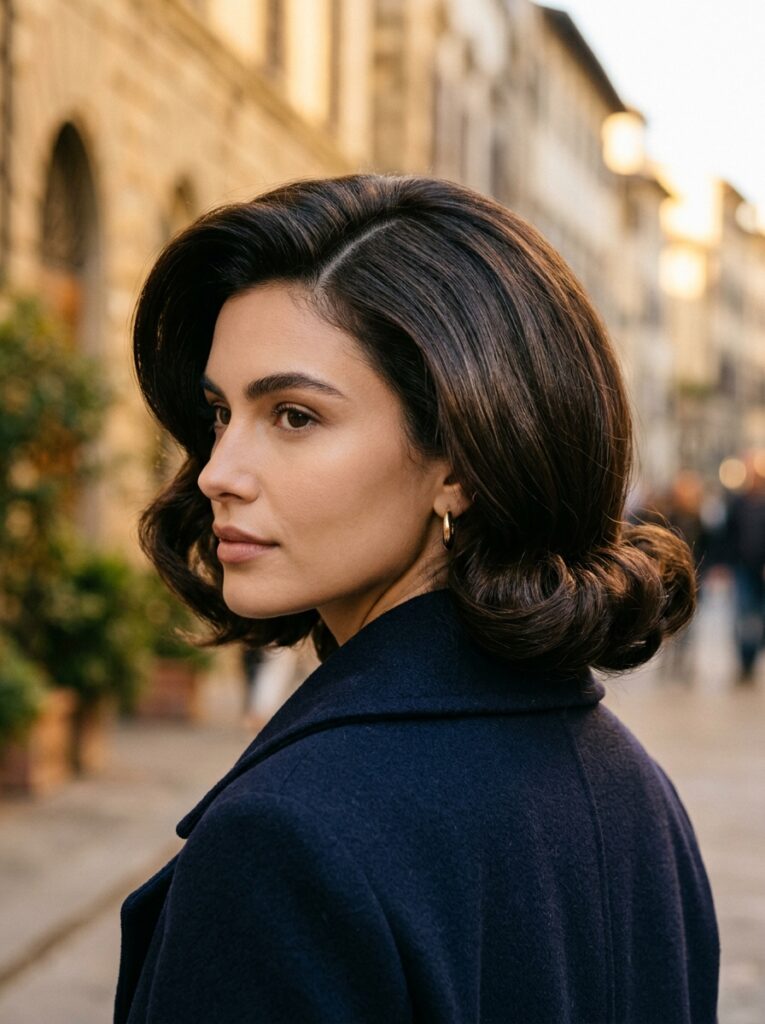
Voluminous, sculpted, and a little theatrical, the baroque bob is the most styled cut on this list. Here’s how to recreate it:
- Blow-dry with a large round brush
- Build volume at the crown first
- Curve the ends inward
- Set with a light-hold hairspray
Only book it if you genuinely enjoy styling every morning!
17. The Retro 60s Flick Bob
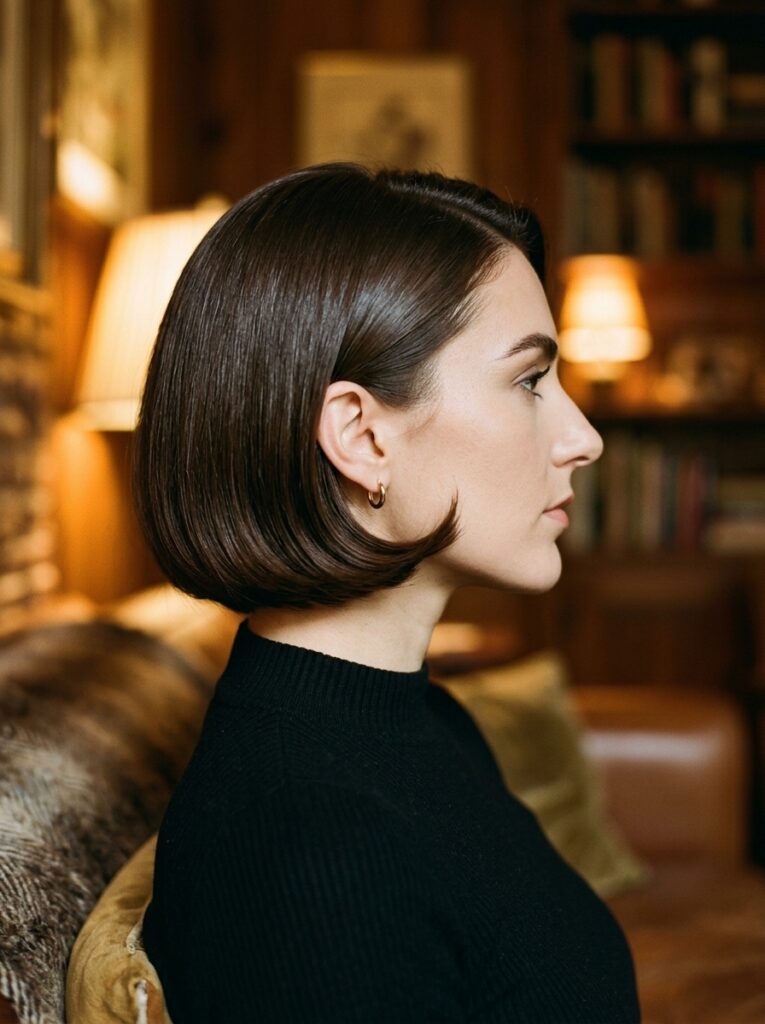
Straight out of the mod era, the flick bob stays blunt through the length before flipping outward right at the jaw.
That flick lifts the shape away from your face, softening strong jawlines, and it holds best on medium to thick hair!
18. The Asymmetrical Razor Cut

Edgy and full of movement, an asymmetrical razor cut is noticeably longer on one side, with tapered ends instead of blunt ones. Straight and slightly wavy hair wears it best, but curly textures should skip the razor since it can trigger frizz.
19. The Bell-Bottom A-Line Flare

Named after the trousers it resembles, the bell-bottom bob flares outward at the ends instead of tucking under.
That flare adds visible width at the jaw, so it’s especially flattering on longer, narrower faces. Pair it with a center part for a cool seventies feel!
20. The Sculpted Coily Bob
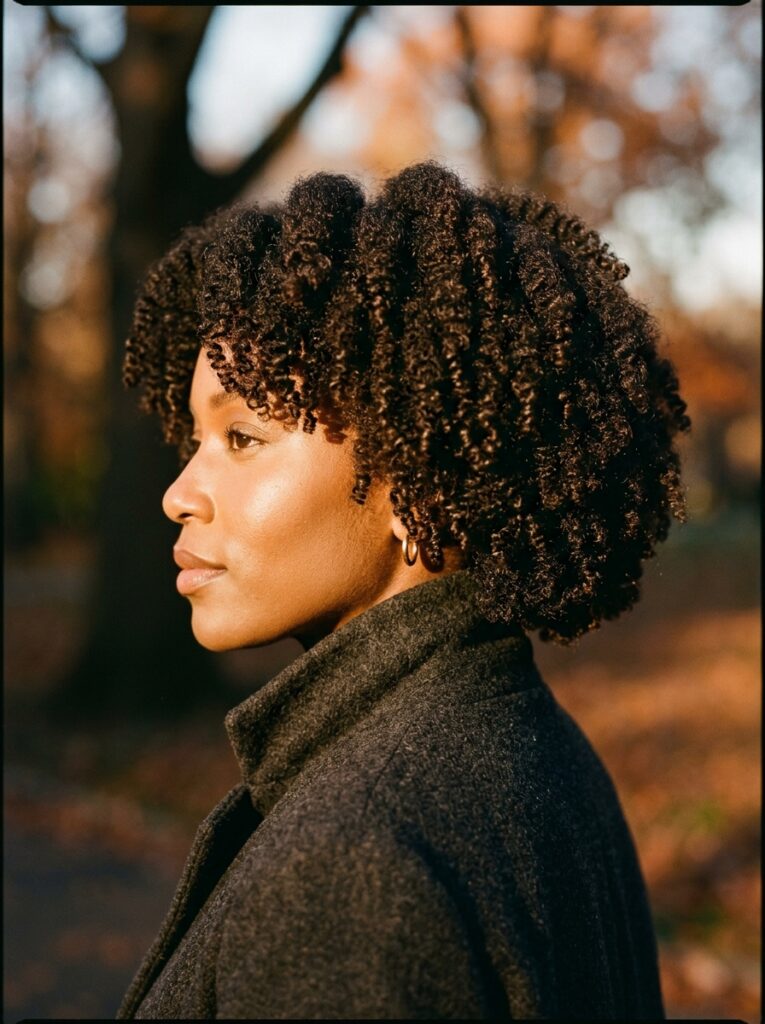
Coily hair deserves a bob built around how each curl actually sits. For a rounded coily bob that holds its shape:
- Book a stylist who specializes in dry cutting
- Cut curl by curl on dry hair
- Shape the silhouette into a soft dome
- Define with a curl cream or gel
Wet cutting distorts the shape once your coils dry, so skip it!
21. The Butterfly Bob

Big, bouncy, and full of movement, the butterfly bob uses short face-framing layers that fan out like wings around your cheekbones.
A round brush blowout brings out the volume, making fine hair look fuller and adding instant glam to every day!
Conclusion
The beauty of the bob is how much range it has.
From a hard architectural line to a messy wolf-bob, the right choice really comes down to weight and texture: blunt cuts build density in fine hair, while layers and razoring calm thick hair.
Be honest about how much time you’ll spend styling, too. The baroque and glass bobs need daily attention, while the air-bob and Scandi bob are made to be left alone!
Bob Haircut Ideas FAQ
Blunt cuts are your best friend, like the boxed architectural cut or the micro-fringe blunt bob.
A hard perimeter gathers every strand into one weight line, so skip heavy internal layering that thins it out.
Layered and textured shapes like the choppy lob, wolf-bob, and undercut bob remove bulk while keeping the outline.
Very blunt cuts on thick hair tend to puff outward instead of falling smoothly.
A bob usually ends between the ear and jaw, while a lob sits at or just below the collarbone.
Nervous about going short? A lob keeps enough length to tie back.
The air-bob, Scandi bob, and hydro bob need the least effort, since they’re designed to look finished without heat.
On the other end, the baroque and glass bobs need styling almost every day.
Blunt bobs need a trim every four to six weeks, since a sharp line shows growth quickly.
Layered and shaggy versions can stretch to eight or ten weeks as the grow-out blends in.