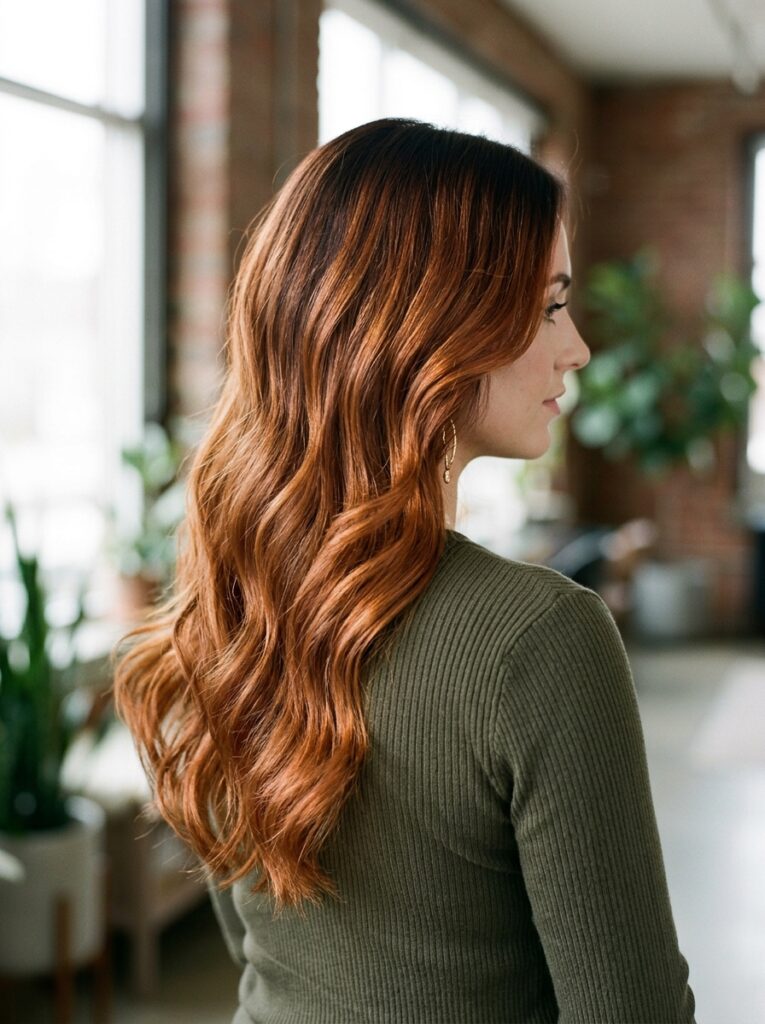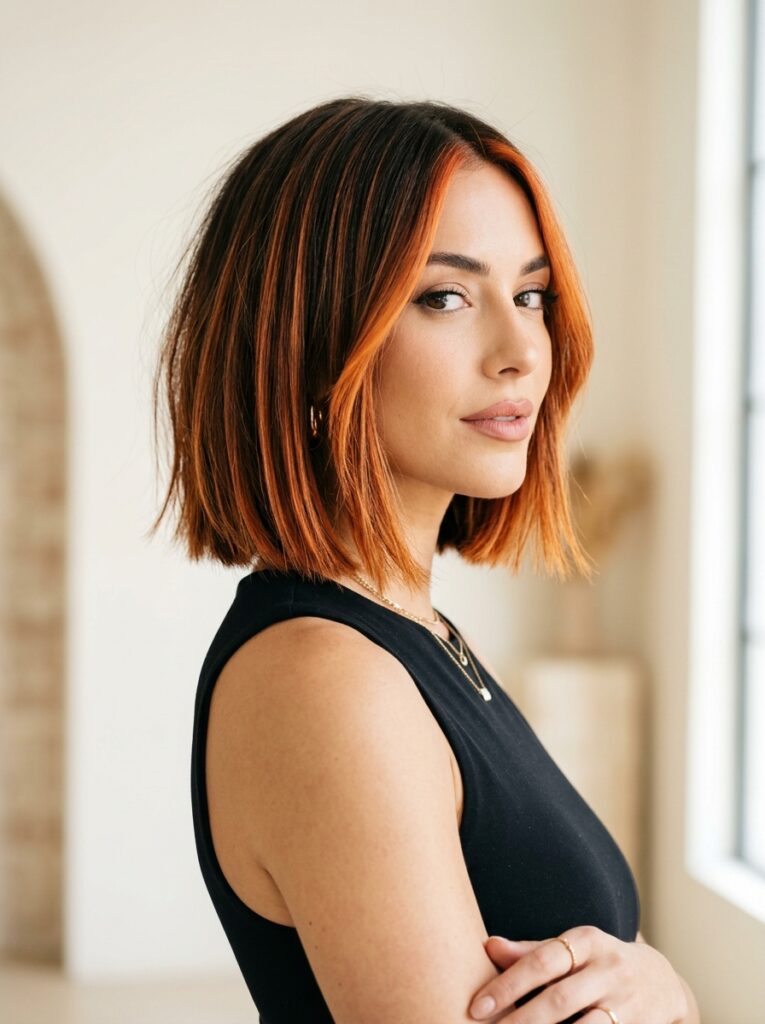
Fall hair color used to mean one thing: go darker and call it a day.
That’s no longer where the good ideas live. The strongest shades this year build dimension into a single base instead of flattening it, whether that base is already dark or headed there for the season.
The other shift is upkeep. Colorists are leaning into shades that grow out gracefully, since nobody wants a hard line at the root three weeks after a $200 appointment.
Here are 21 fall hair colors that are currently on the trend and you must try!
This website may contain affiliate links. I may earn a small commission if you purchase through the links, at no extra cost to you.
What Actually Determines the Right Fall Shade
Before picking a shade off Pinterest, two things decide whether it will actually work: undertone and starting depth.
Warm undertones carry cinnamon, copper, and honey without turning brassy, while cool and neutral undertones do better in espresso, greige, and burgundy, since warm gold pulls sallow against pink-toned skin.
Olive undertones sit in the middle and can usually go either direction, depending on how much red versus gold a shade carries.
Starting depth matters just as much. Going more than two levels darker or lighter than a natural base in one appointment stresses the hair and shortens how long the color holds.
A colorist can usually get there safely over two sessions instead of one, which costs more but keeps the hair from turning straw-like halfway through.
Rich Espresso and Chocolate Brunettes
1. Velvet Espresso Brunette
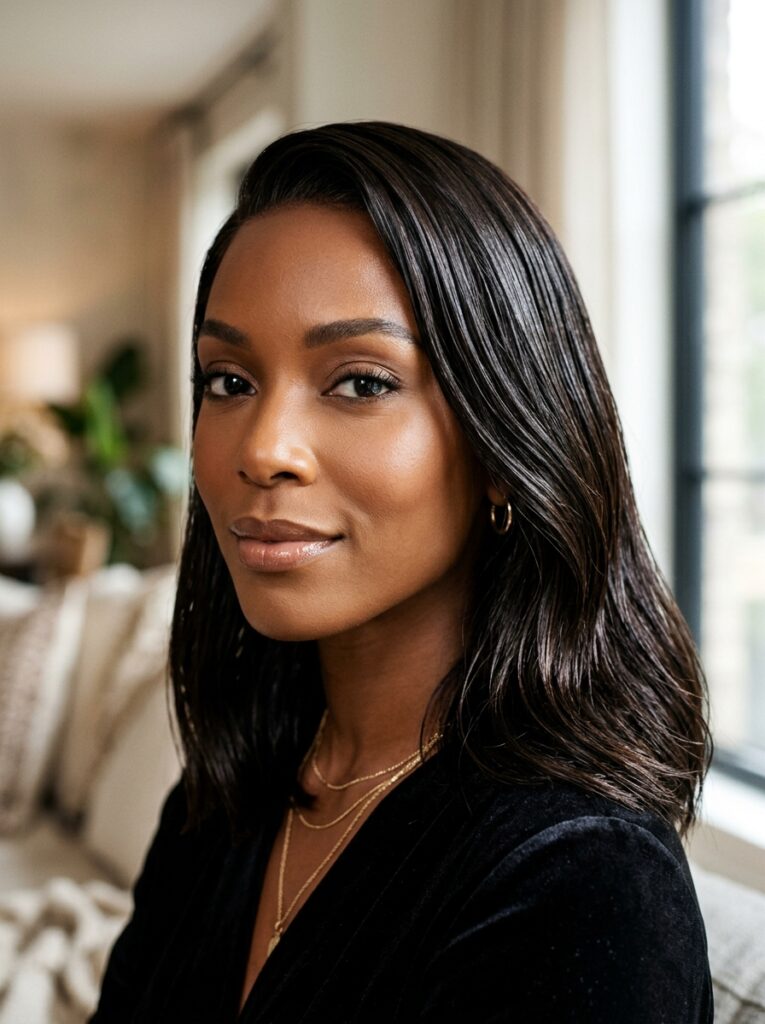
Espresso sits one shade off true black, which keeps it soft rather than harsh under indoor light.
A glossy espresso hair color deposits enough shine that the color looks wet even when dry, so ask for a gloss layered over the base rather than a flat single-process dye.
2. Burnished Brunette
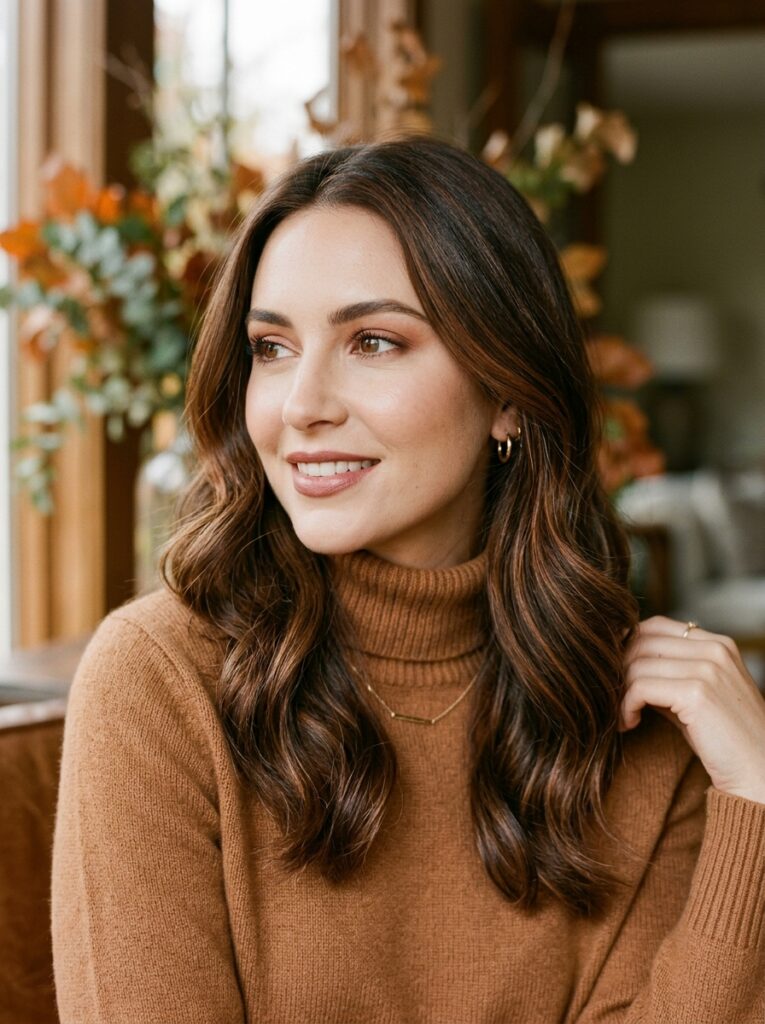
This shade takes a plain medium brown and adds warmth without tipping into red, using fine copper-toned lowlights woven through the mid-lengths.
It suits warm and olive undertones especially well, and since the lowlights sit low in the hair, root growth stays unnoticeable for months.
3. Maple Brown
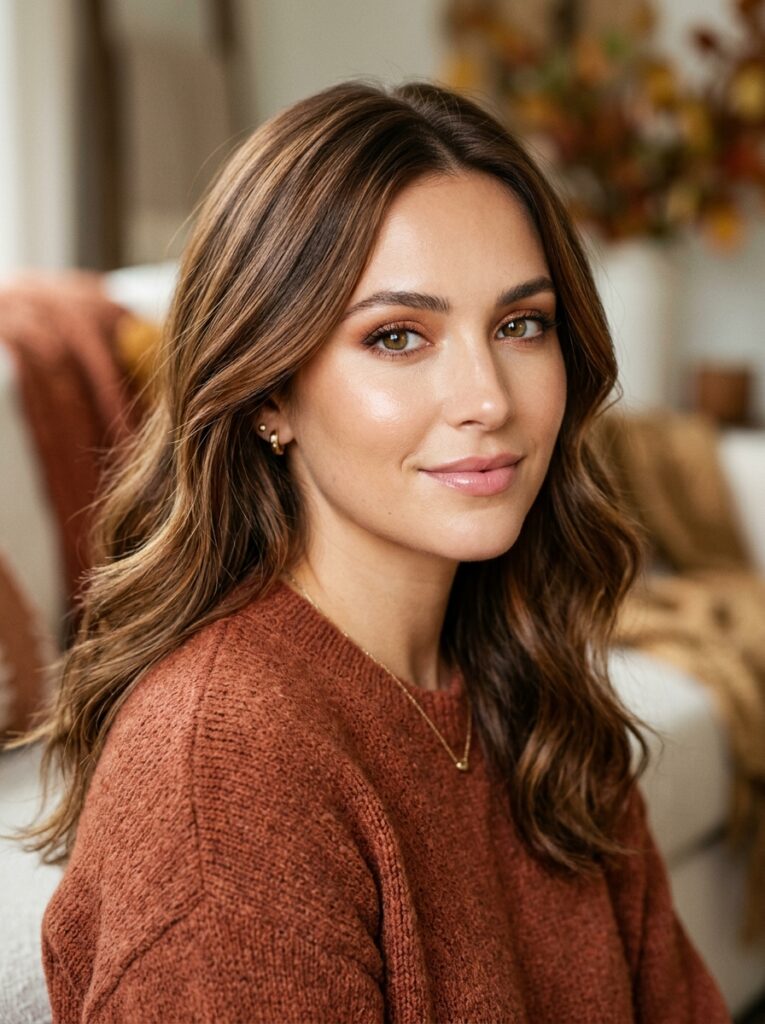
Maple sits between chestnut and caramel, carrying just enough amber to catch light without reading as a full red-brown.
A maple brown hair gloss applied over an existing brunette base gets there without lifting the hair at all, which makes it the lowest-commitment shade on this list!
4. Deep Chocolate Brunette
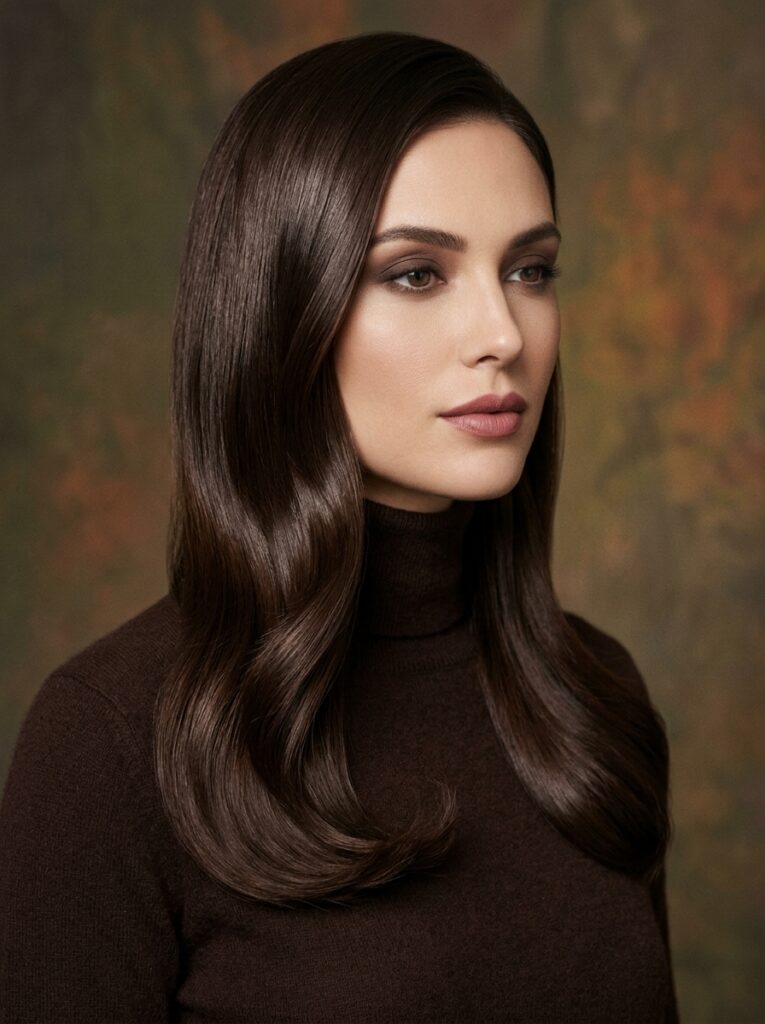
Solid, dark, and glossy, this is the shade people mean when they say they want their hair to look “healthy” rather than “colored.”
Depth comes from a rich cocoa-brown base with zero visible red, so it flatters cool undertones that warmer browns tend to fight.
Also read: 18 Fall Haircut Trends for 2026 Worth Showing Your Stylist
5. Golden Walnut Brunette
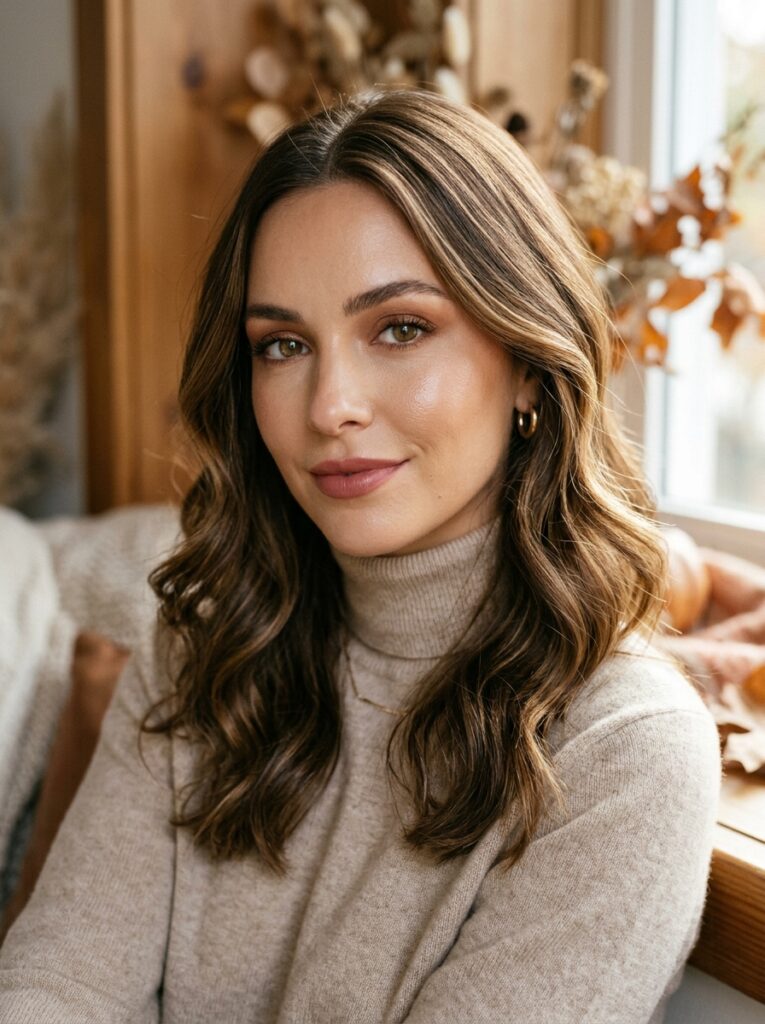
Walnut brown already carries a natural warmth, and adding gold-toned babylights around the face lifts it without a full lightening service.
This one photographs particularly well in daylight, since the gold catches sun in a way flat brown never does.
Red, Wine, and Cherry Tones
6. Cinnamon Auburn
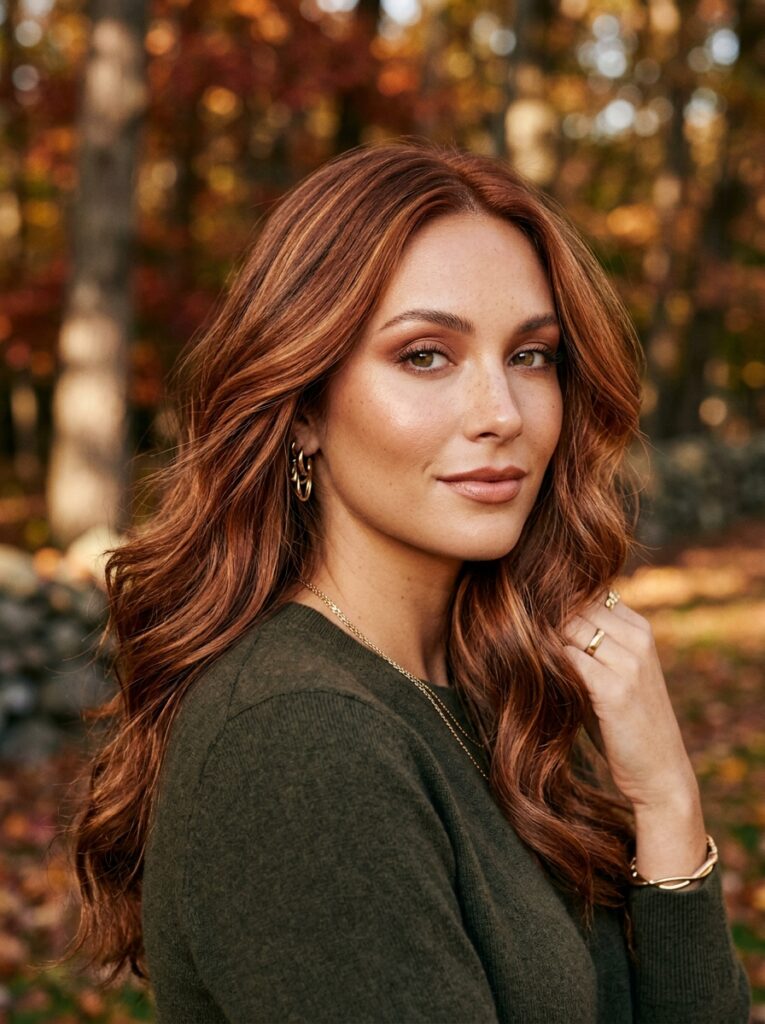
Cinnamon splits the difference between red and brown, leaning warmer than true auburn but nowhere near as bright as copper.
A cinnamon auburn hair color flatters warm and olive skin best, and it fades to a soft caramel rather than a dull brassy orange, which most reds cannot claim.
7. Mulled Wine Red
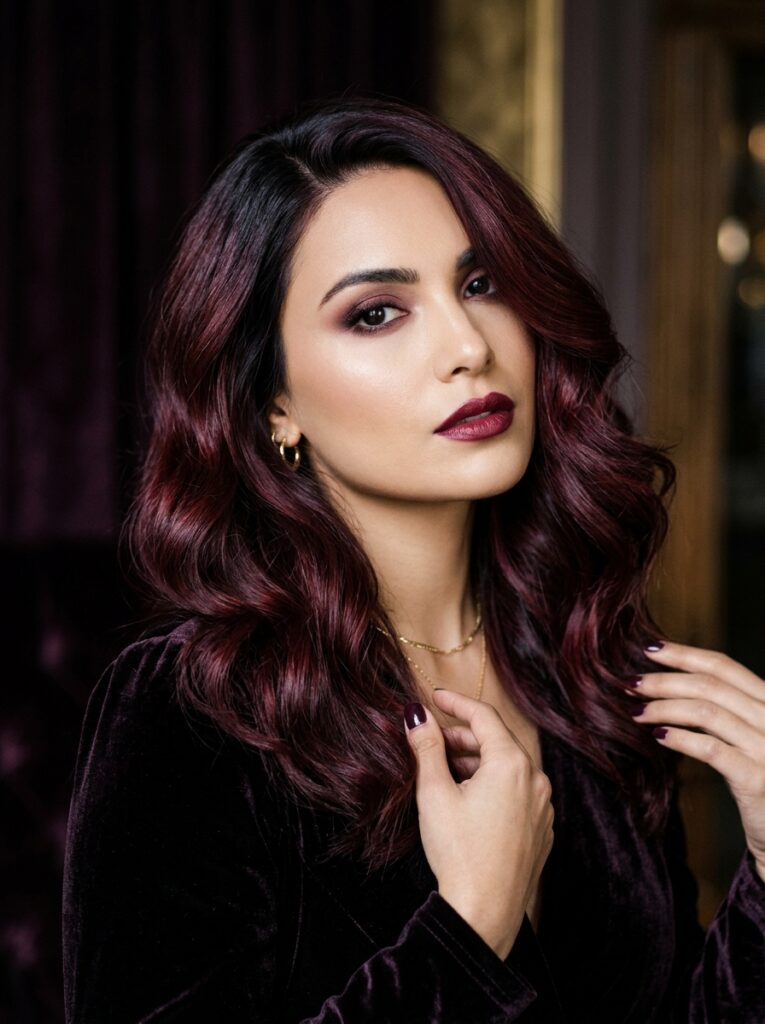
Deep and slightly purple at the roots, this shade needs a near-black or dark brown base to hold properly.
Ask for a wine red hair gloss rather than a permanent dye if it’s a first attempt, since gloss versions fade out evenly instead of leaving a visible line.
8. Dark Cherry Brunette
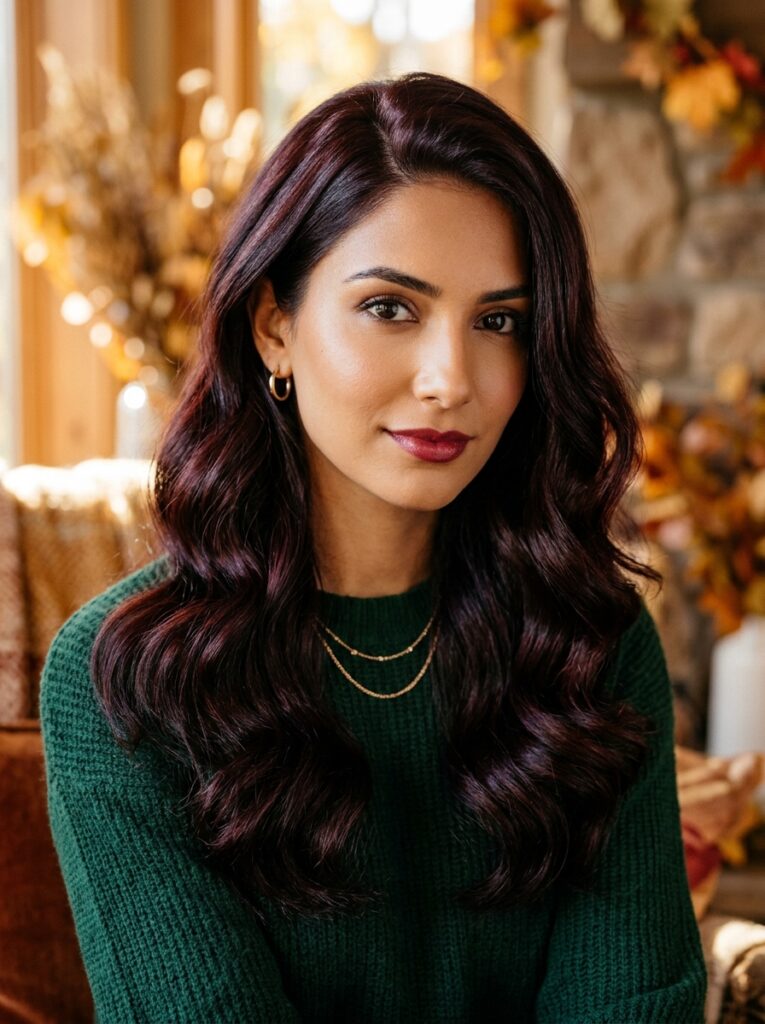
Cherry brunette reveals its red only in direct or warm light, staying nearly black indoors.
That built-in subtlety is what makes it wearable in an office, and cool undertones read the cleanest in it, since warm skin can pull the red toward orange over time.
9. Auburn Spice
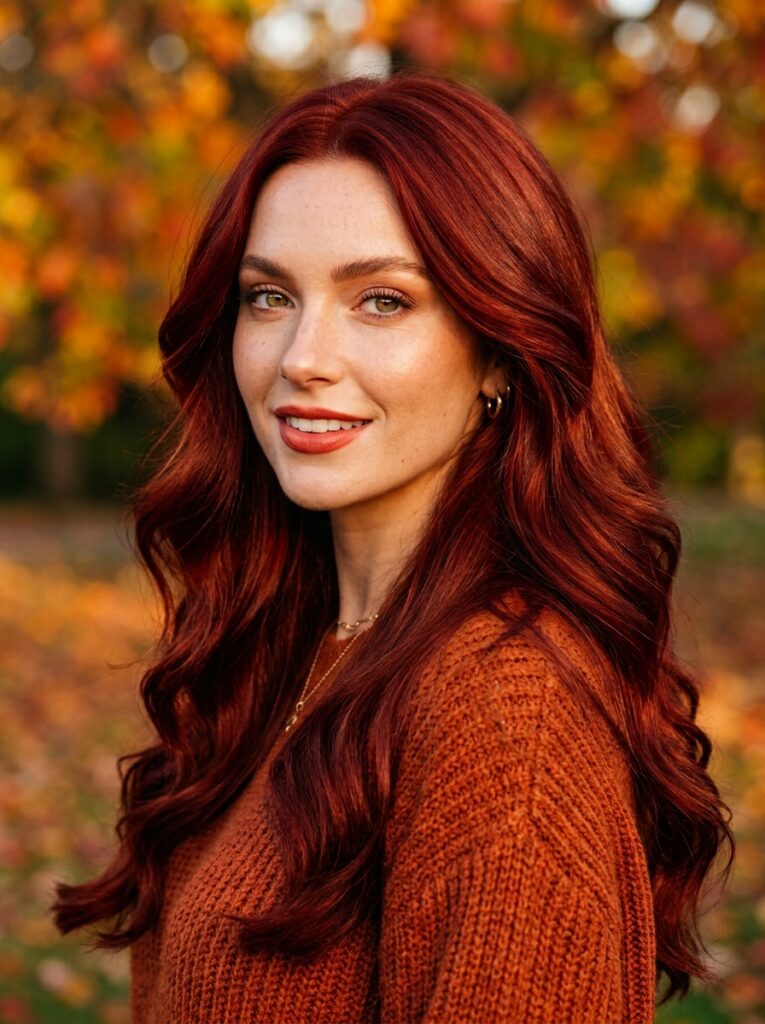
Brighter and more saturated than cinnamon, auburn spice leans hard into red without going full copper.
It needs the most upkeep on this list, since red pigment molecules are the largest and fade fastest, so a color-depositing purple-free shampoo made for red tones should go into the routine immediately.
10. Burgundy Brown
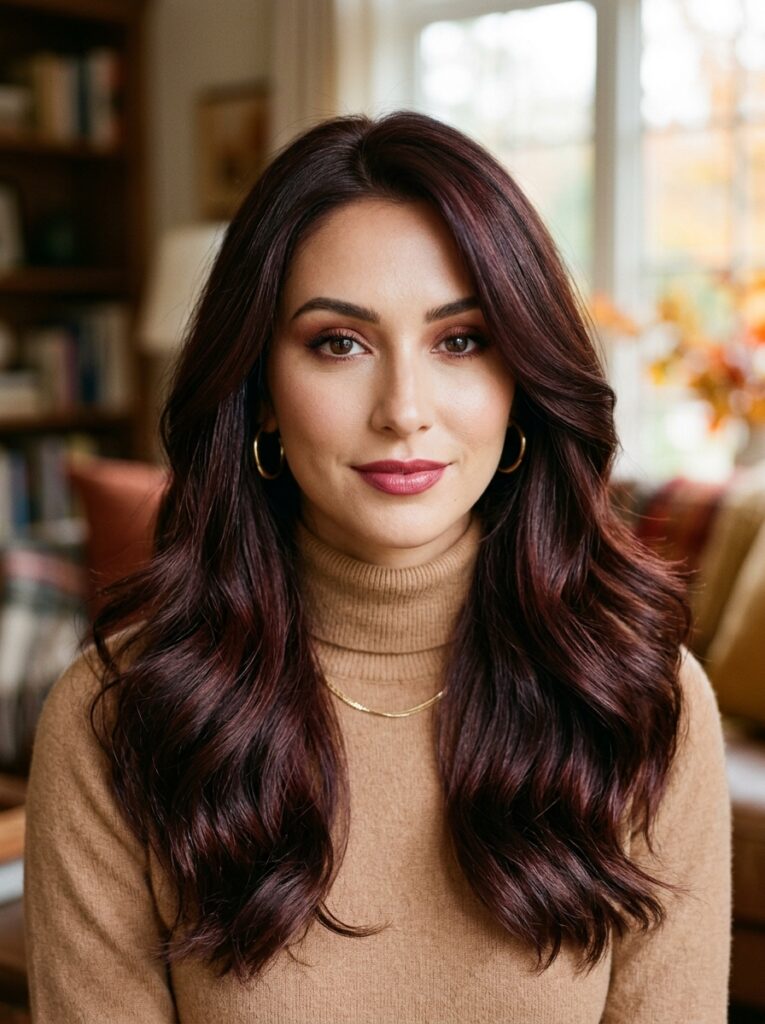
Burgundy stays mostly brown with just enough wine underneath to shift color in changing light.
It works on nearly every undertone because the base stays neutral, and a single demi-permanent burgundy gloss over dark brown hair gets the effect without any lightening required at all!
Copper and Bronde Blends
11. Copper Bronde
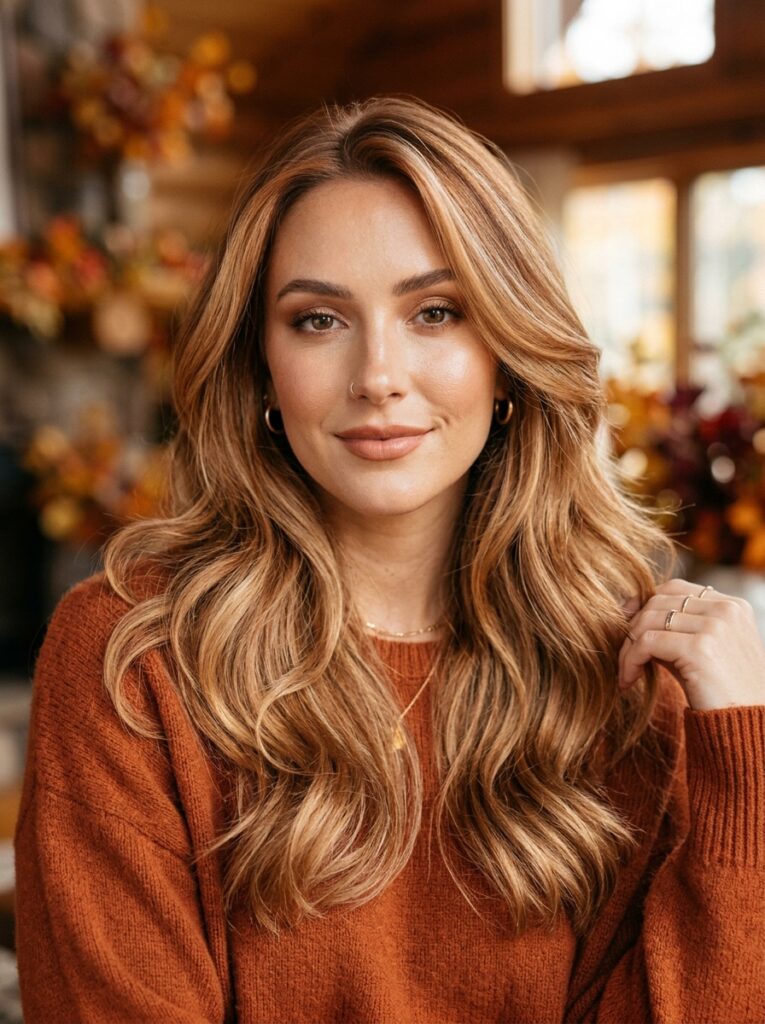
Bronde sits exactly between blonde and brown, and adding copper through it gives the combination actual warmth instead of a muddy in-between tone.
Fair and medium warm undertones wear this best, since the copper needs some natural pink or gold in the skin to look intentional.
12. Whiskey Copper
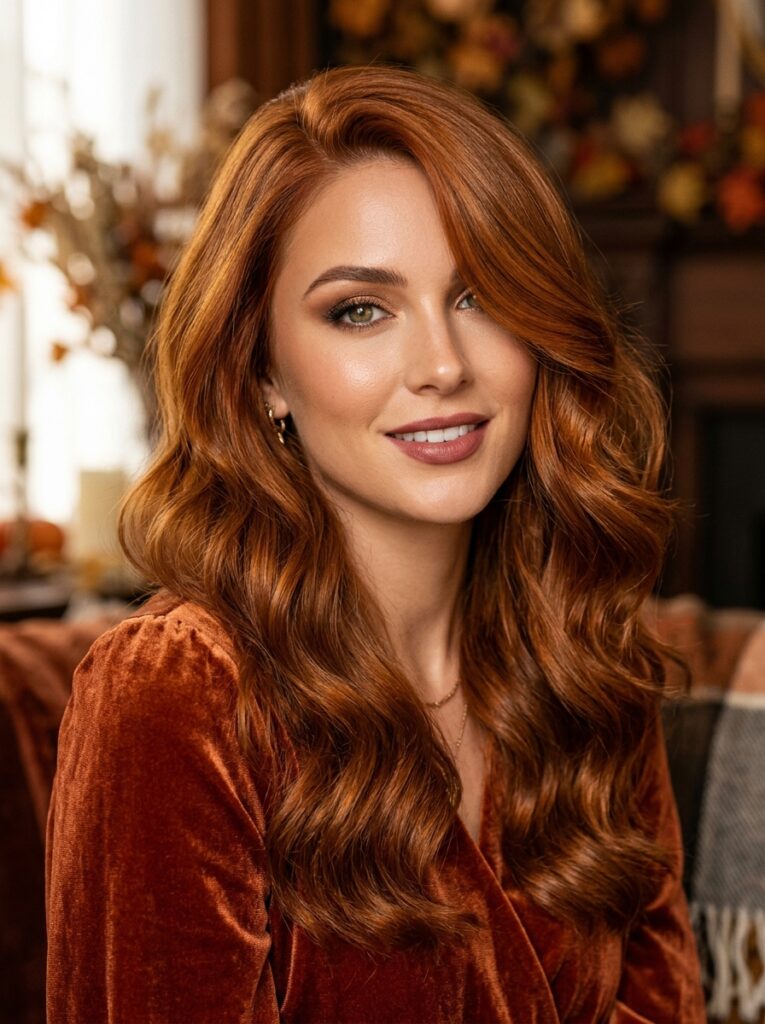
Named for the amber tone in a glass of whiskey, this shade is deeper and less orange than standard copper.
A whiskey copper hair gloss applied over a caramel base builds the tone gradually, which matters here since whiskey copper goes brassy fast without the right upkeep routine.
13. Chestnut Brown With Caramel Ribbons
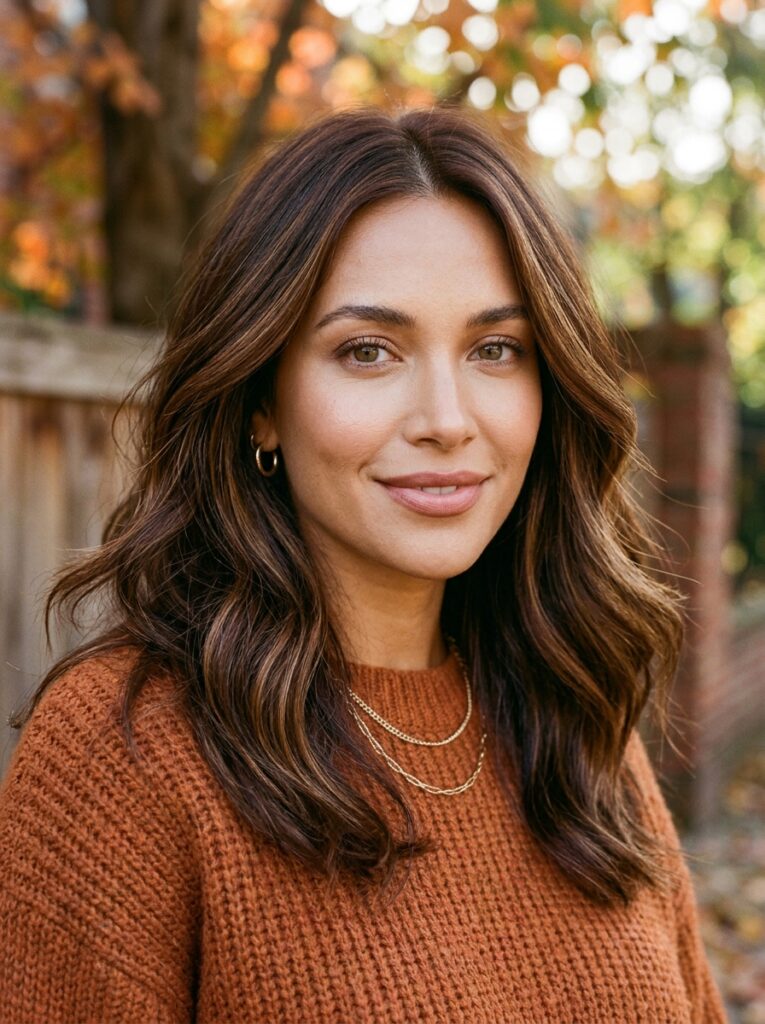
Fine caramel highlights placed in vertical strips through a chestnut base create movement instead of an all-over lighter shade.
The ribbon technique keeps regrowth soft, so touch-ups can stretch to four months instead of six weeks, which is the real selling point here.
14. Dimensional Autumn Bronde
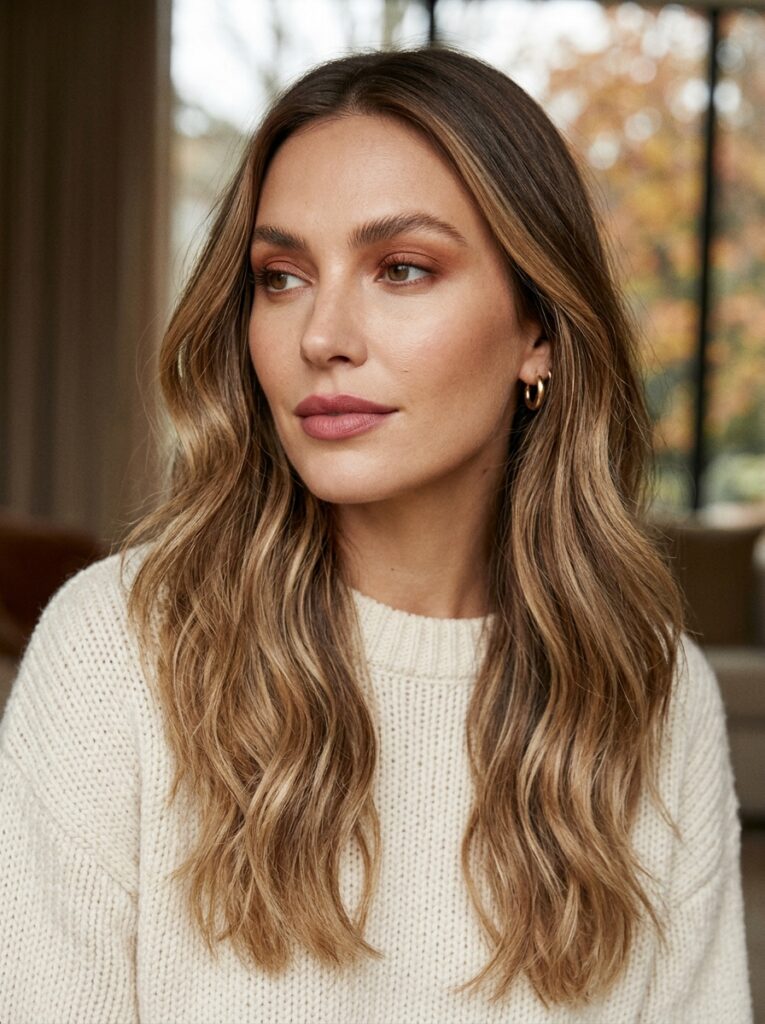
This is the most low-maintenance blend on the list, mixing warm brown roots into a soft blonde through the ends with heavy blending in between.
There’s no hard line anywhere on the head, so it grows out for months without needing a single root touch-up appointment.
Honey, Almond, and Amber Blondes
15. Golden Honey Blonde
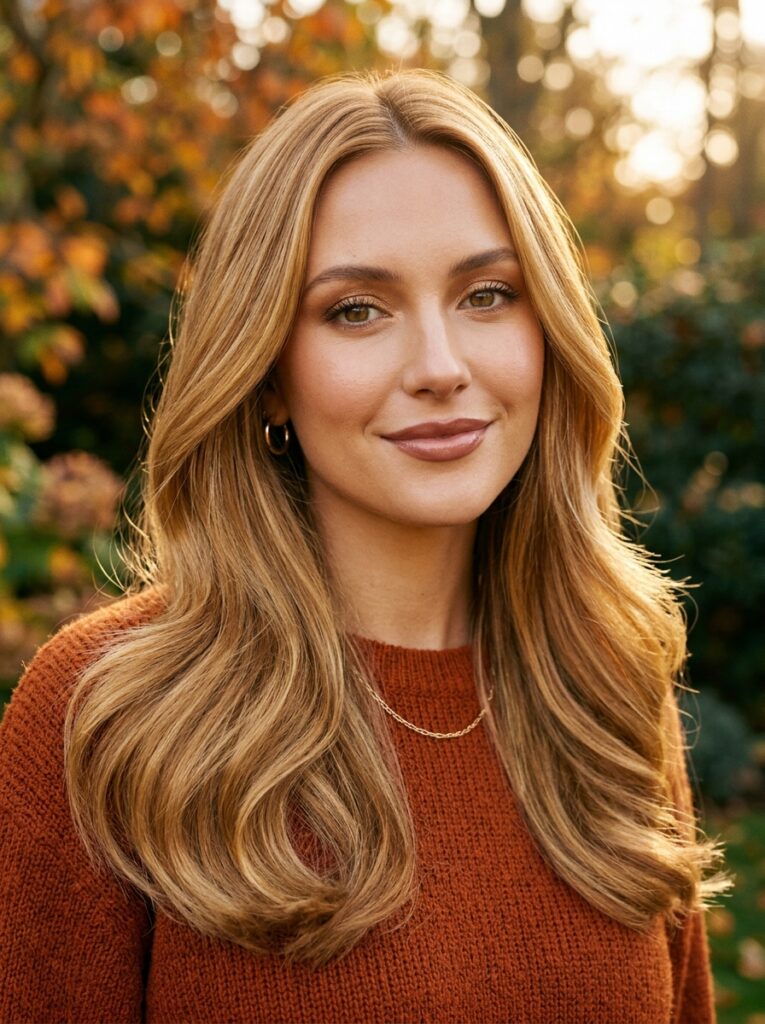
Warm and rich rather than icy, honey blonde works best over a natural medium-to-dark blonde base rather than starting from brunette.
Getting there from dark hair takes several sessions of careful lifting, so patience matters more than any single product here!
16. Toasted Almond Blonde
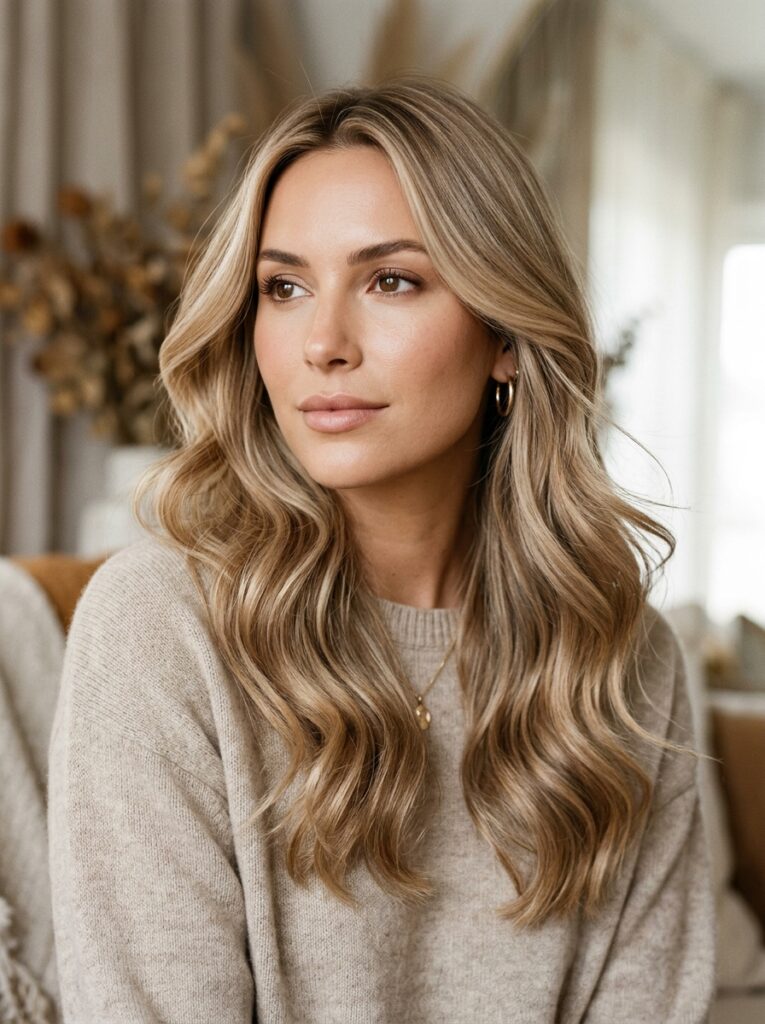
Almond blonde carries a soft beige undertone that keeps it from reading yellow, which makes it one of the more forgiving blondes for cooler skin.
A toning shampoo for beige blonde helps maintain the muted tone between salon visits, since blonde brass shows up faster than any brunette shade.
17. Amber-Veiled Blonde
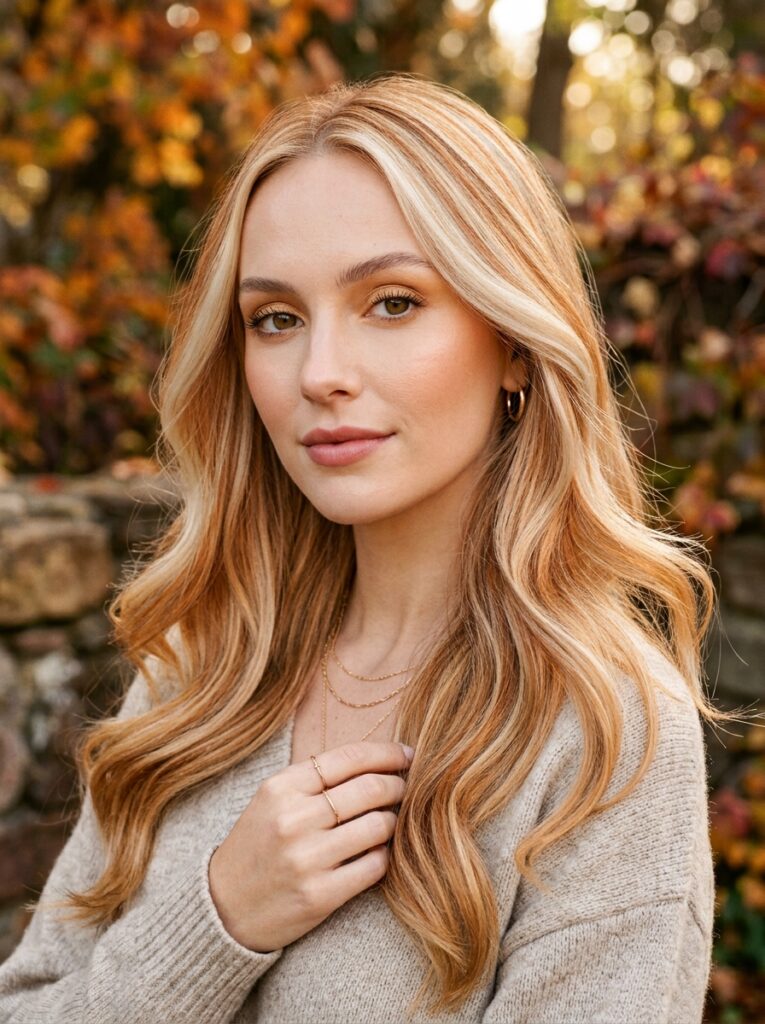
Thin amber ribbons woven through a pale blonde base add just enough warmth to keep it from looking washed out under winter light.
Warm and olive undertones carry this best, and the thin placement means it grows out with almost no visible regrowth line.
18. Rose Gold Autumn Blonde
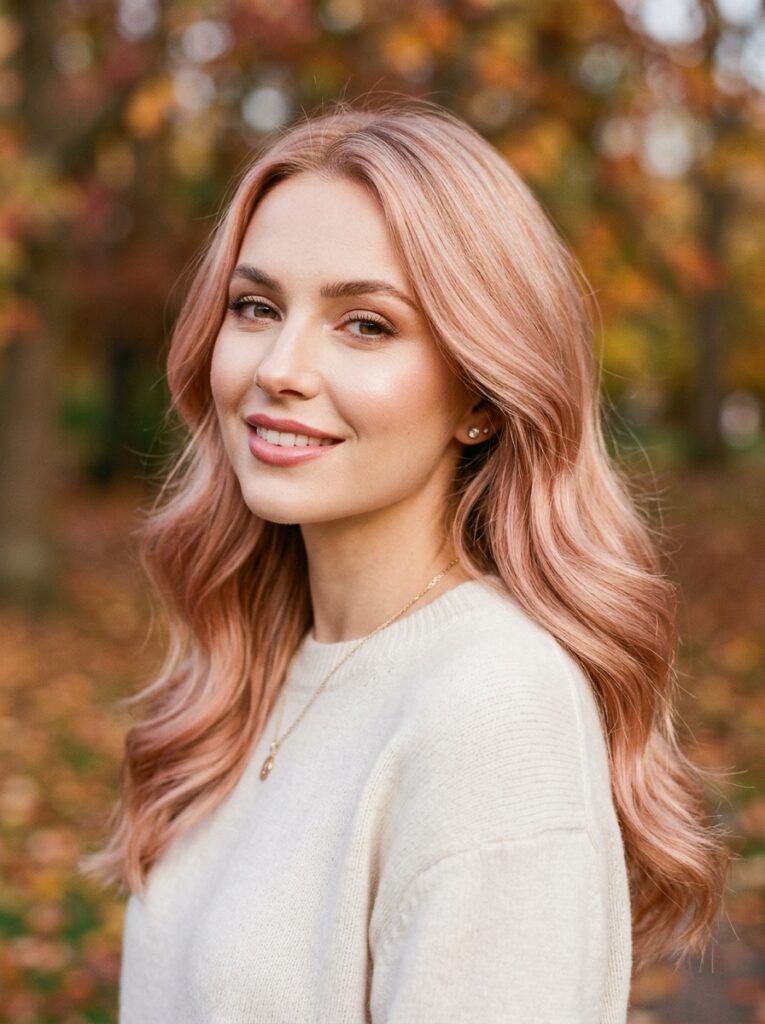
Rose gold takes blonde and pulls it slightly pink rather than yellow or gold, which is unusual enough to photograph beautifully but still wearable daily.
It needs a rose gold toning gloss refreshed roughly every six weeks, since the pink tone is the first pigment to fade out.
Cool Neutrals and Dimension
19. Greige Brunette
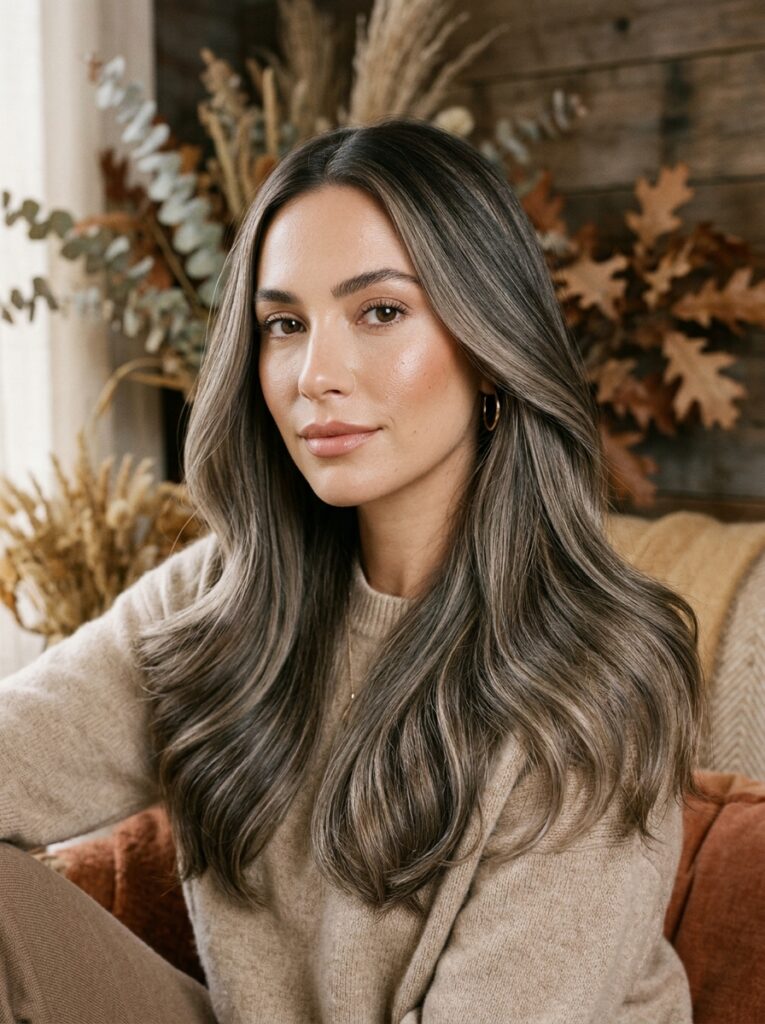
Greige splits gray and beige evenly, landing on a brunette that reads cool without any visible ash or purple cast.
Cool and neutral undertones wear it best, and it’s one of the only trending shades that actually looks better a few weeks post-appointment as it softens.
Also read: 27 Curtain Bangs Ideas for Every Face Shape and Hair Type
20. Mushroom Brown With Glossy Dimension
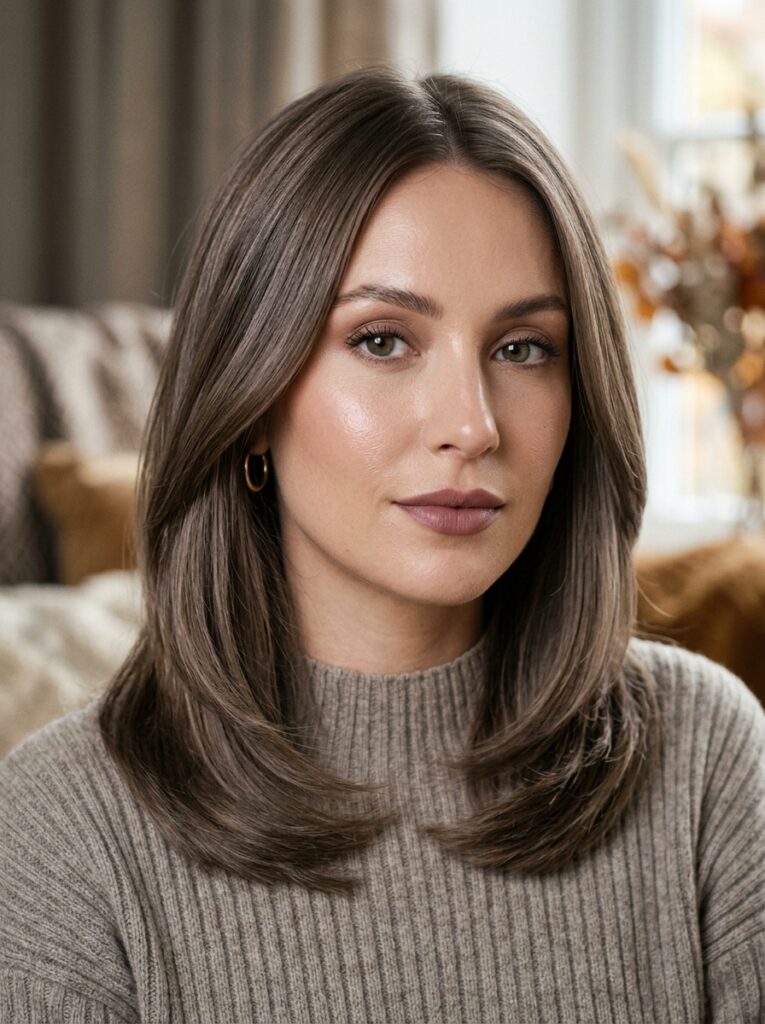
Mushroom brown mutes out warmth almost entirely, landing somewhere between taupe and ash brown.
Adding a high-shine glossing treatment afterward is what keeps it from looking flat, since a muted color with no shine can read dull rather than intentionally cool.
21. Soft Black With Espresso Highlights
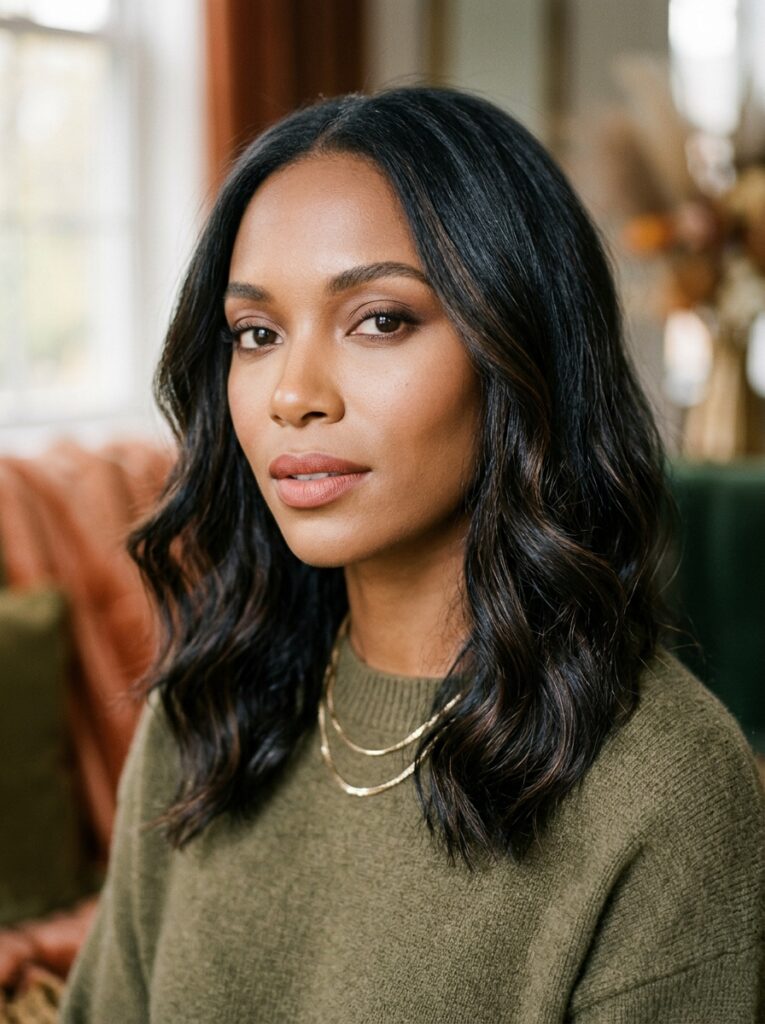
True black can look severe under artificial light, so threading fine espresso-brown highlights through it softens the effect without lightening the overall color.
This suits cool undertones with naturally dark hair especially well, and the highlights barely show at the root, so upkeep stays minimal!
Conclusion
The fall hair colors that hold up longest are the ones built around what the hair is already doing, not against it.
Matching undertone and starting depth to the shade saves both money and hair health over a full season of wear.
Bring a few options to the consultation instead of one fixed idea.
A colorist can usually tell within minutes which of these will lift cleanly from a natural base and which would need more sessions than it’s worth.
Fall Hair Colors FAQ
Deep, dimensional brunettes and warm coppers are leading the season, alongside cooler neutral tones like greige and mushroom brown for anyone avoiding warmth.
The common thread across nearly every trending shade is dimension. Almost nothing this year is a single flat, all-over color.
Cinnamon, copper, honey blonde, and golden walnut brunette all lean into warmth rather than fighting it, which is why they photograph so well on warm and olive skin.
Cooler shades like greige or mulled wine can still work, but they need to be requested slightly warmer than standard to avoid looking flat.
Deep chocolate brunette, dark cherry, greige, and soft black with espresso highlights all avoid the gold and orange tones that clash with pink or blue undertones.
Auburn and copper shades can still work for cool skin, but usually need a touch more brown mixed in to stay flattering.
A demi-permanent gloss typically holds for six to eight weeks before fading noticeably, which is shorter than permanent color but far gentler on hair health.
Reds and coppers fade fastest of any tone family, so those benefit most from color-safe shampoo and fewer hot tool passes between appointments.
Dimensional bronde, chestnut with caramel ribbons, and burnished brunette all use soft, low-placed highlights that blend into natural regrowth instead of creating a hard line.
Anything requiring lightening from a dark base, like blonde or rose gold, needs the most frequent salon visits to maintain.